
Last updated November 23, 2026
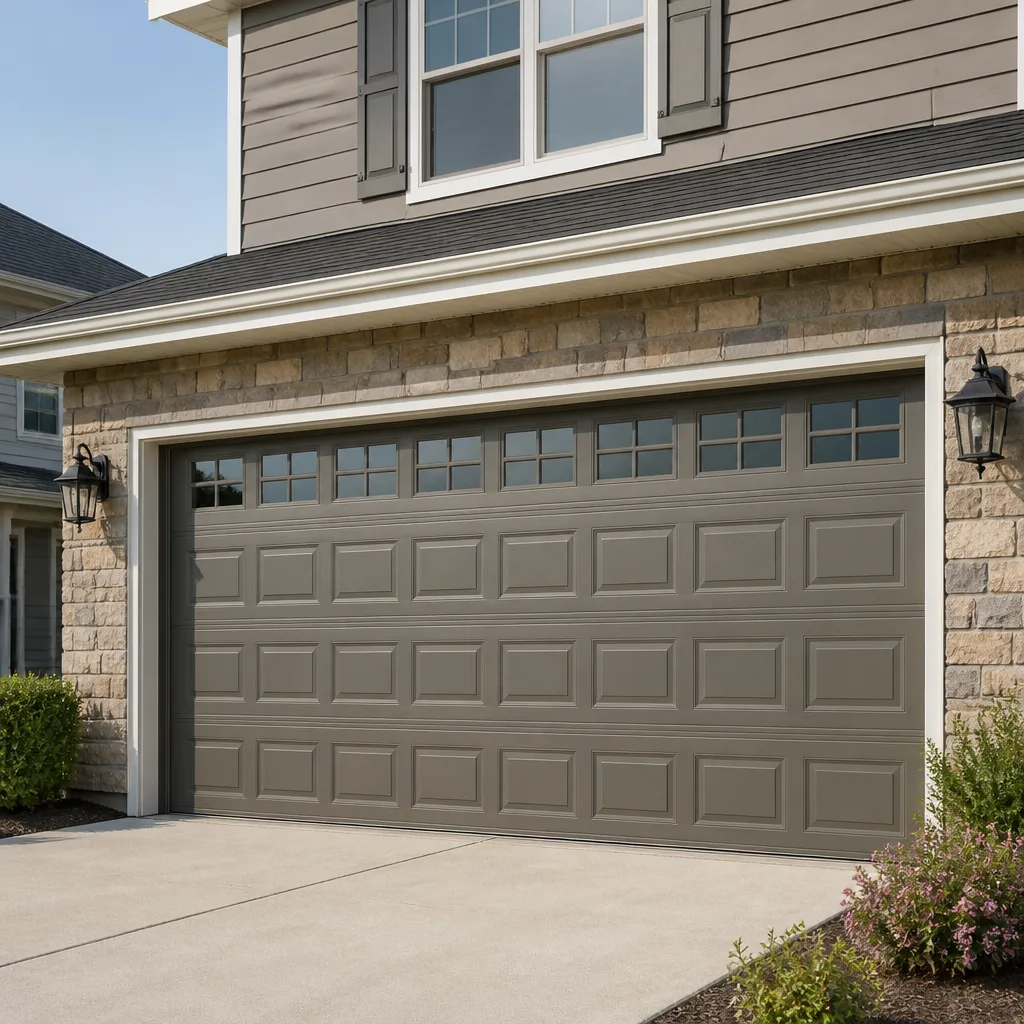 Raised-panel steel
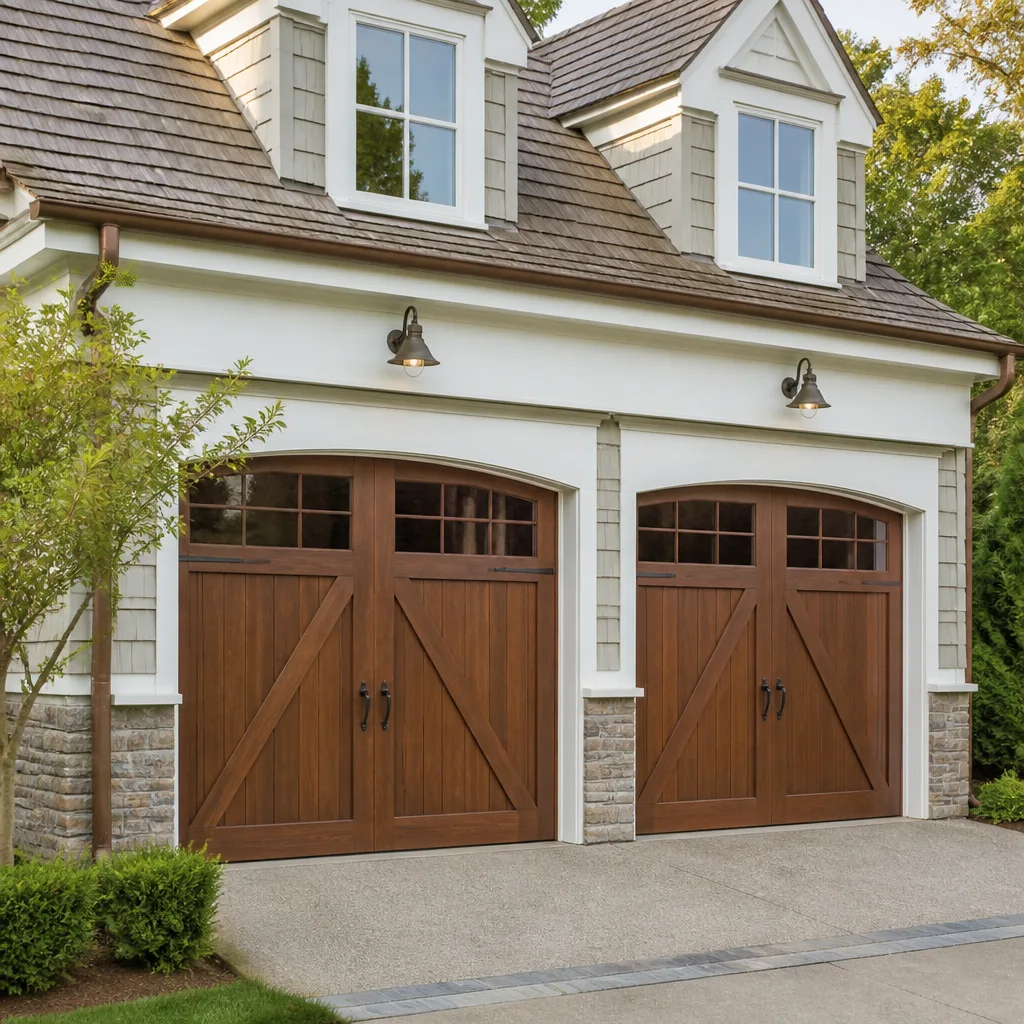 Carriage house
 Modern flush
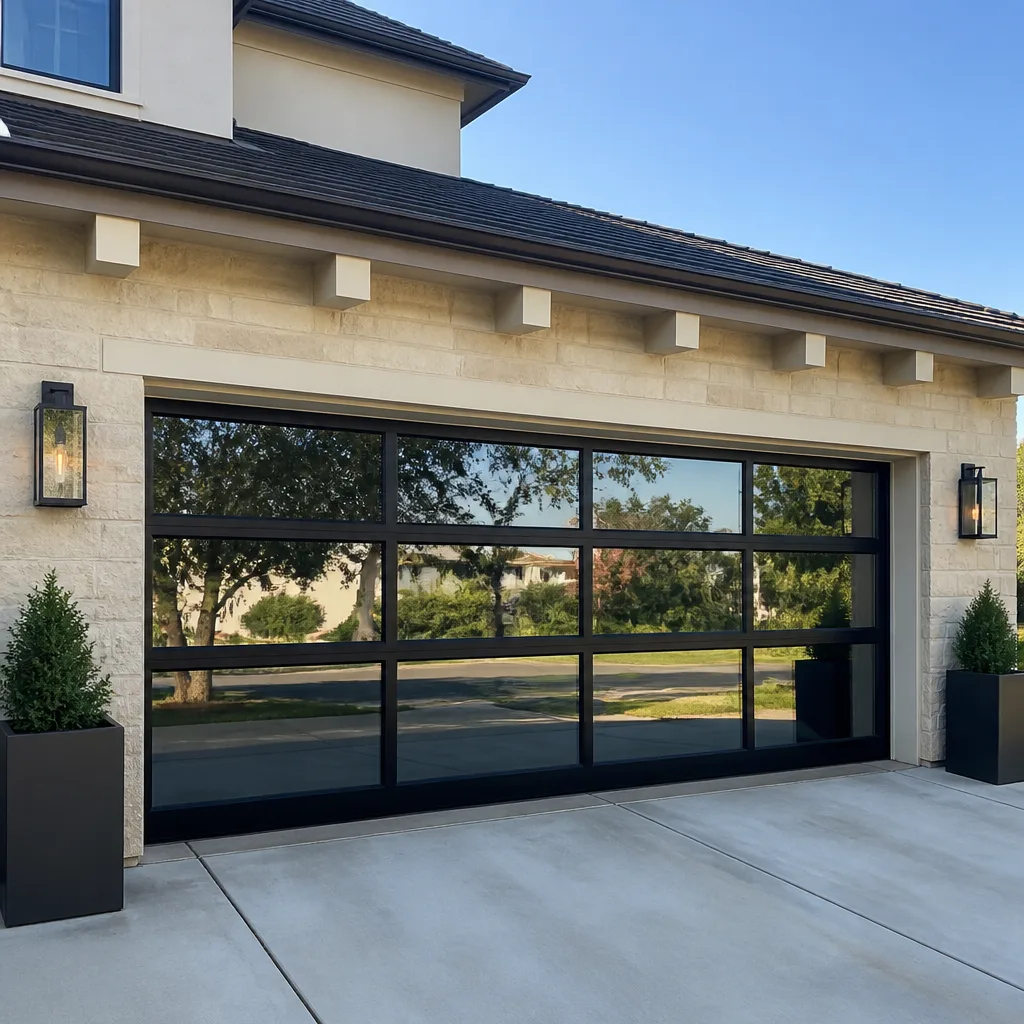 Full-view glass
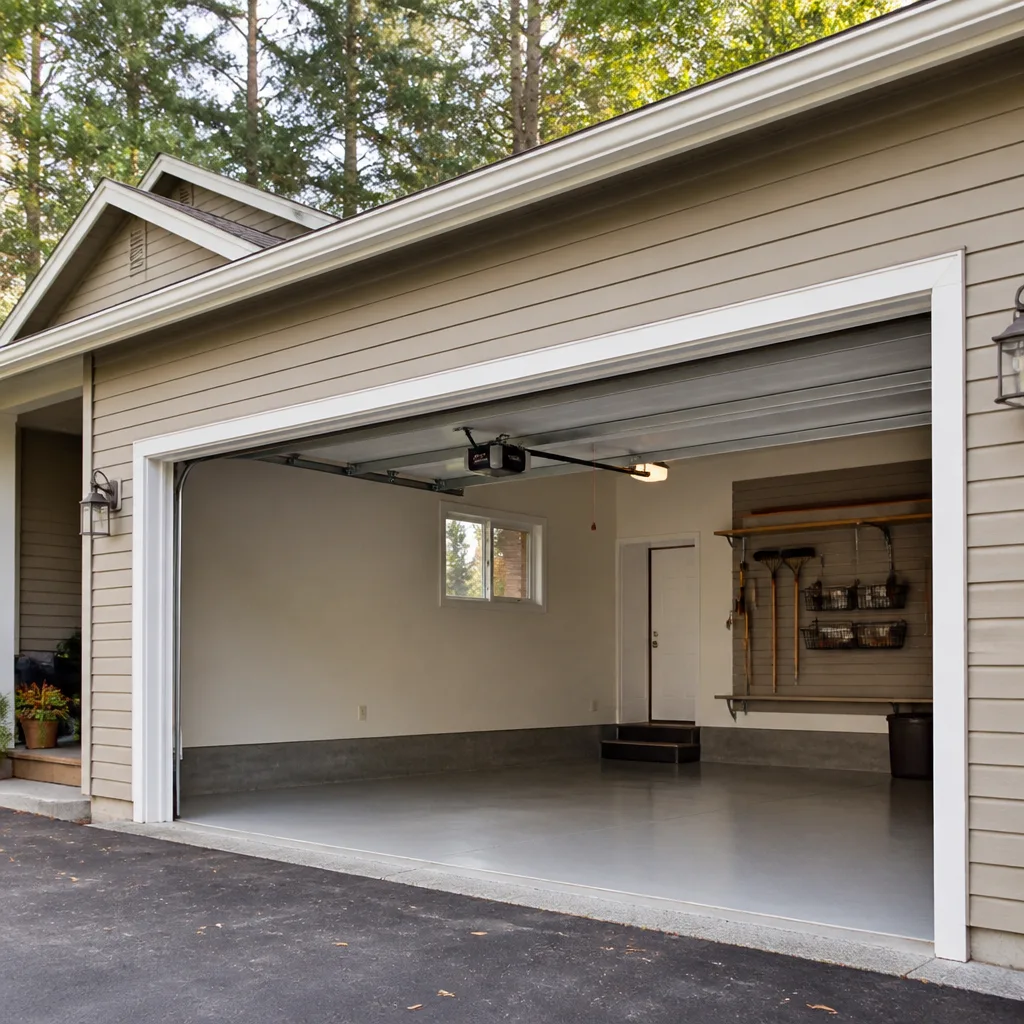 LiftMaster openers
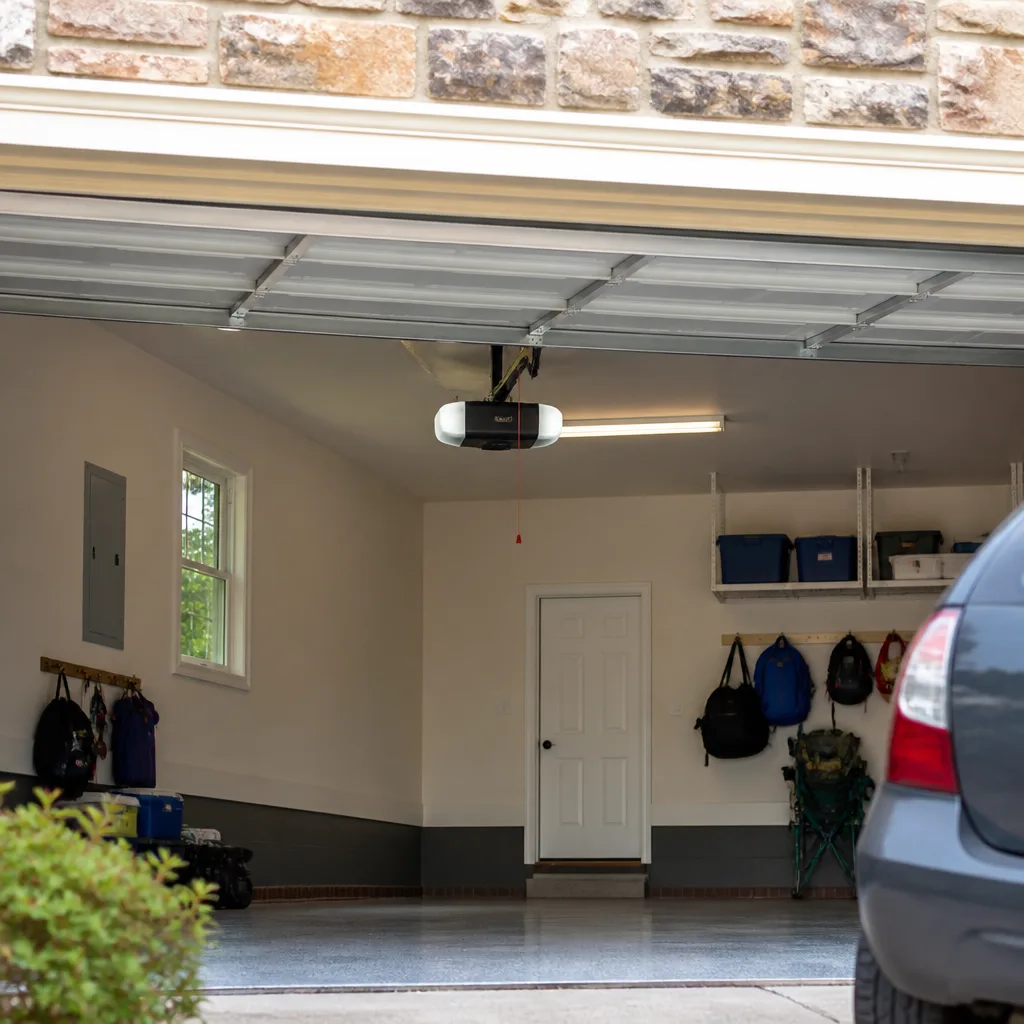 Chamberlain openers
Full 25-point door and opener safety check with every visit - springs, cables, rollers, tracks, and your LiftMaster or Chamberlain opener included
You get a price before we start. It does not change when the pro arrives.
Get your free estimateGarage Door Emergency Preparedness Guide for White Plains Homes
Most garage door emergencies we hear about aren’t really about the door. They’re about timing. A spring lets go at 10 PM on a Tuesday, the car is parked inside, and the homeowner is standing in the dark trying to figure out whether they can force the door up by hand. The truth is that the scariest moments are usually the ones that could have been handled in five calm minutes with one piece of knowledge: where the emergency release cord is and how your particular door behaves when you pull it. This guide covers that and the rest of what you need to stay in control when a garage door fails in White Plains. You’ll learn how to operate a stuck door safely, how to lock down a house when the door won’t close, what to tell a technician so the visit goes right the first time, and the single number to save in your phone today.
Quick Answer
If your garage door won’t open or close, the first step is to find the red emergency release cord and, only if the door is fully closed or the springs are intact, disengage the opener so you can move the door by hand. If a spring has visibly broken, do not pull the door up yourself; a door with a failed spring becomes extremely heavy and can drop without warning. Secure the opening with a manual lock or brace if the door won’t close, then call a garage door specialist who carries the right parts for your opener model.
Styles & brands we work with
- Raised-panel steel
- Carriage house
- Modern flush
- Full-view glass
- LiftMaster openers
- Chamberlain openers
Table of Contents
- Know Your Door Before You Need To
- How to Operate a Stuck Door Manually and Safely
- Temporary Security When the Door Won’t Close
- What to Tell an Emergency Technician When You Call
- Storm Damage: Safe to Move or Leave It Alone?
- The One Number to Save in Your Phone
- What Happens When Your Door Fails at Night in White Plains
- Preparedness Habits That Prevent Emergencies
Know Your Door Before You Need To
Every garage door in White Plains is one of a handful of types, and each one fails differently. Knowing which type you have takes about ninety seconds and changes how you respond when something goes wrong. A sectional door made of insulated steel panels is the most common on homes in White Plains, especially in the neighborhoods around Gedney Farms and Highlands, where additions and attached garages are common. A one-piece tilt-up door swings out as a single slab and behaves very differently when the opener disengages. A roll-up door, usually on detached or older garages, coils upward and has no overhead track at all.
The second thing to know is what kind of lifting system you have. Most modern doors run on torsion springs mounted on a bar above the door. Older doors often use extension springs running along the sides. The two require completely different emergency handling. Torsion springs store enormous energy in a tight coil, and when one breaks the door loses its counterbalance instantly. Extension springs stretch along their length and, if uncontained, can snap with force. If you’re not sure which you have, look up: a horizontal bar with coiled springs is torsion, and long springs running parallel to the horizontal tracks are extension.
You should also know whether your door has a safety reverse feature, which is standard on doors built since the early 1990s. That feature relies on two sensors near the floor. When those sensors get knocked out of alignment or covered in debris, the door may refuse to close. That’s a very common call we take in White Plains, and it’s often the reason a homeowner thinks their door has “failed” when it’s really just a safety trip.
- Sectional door: Panels travel on overhead tracks; most common on attached garages.
- Tilt-up door: One solid panel that pivots out; found on older and detached garages.
- Roll-up door: Coils upward into a drum; often on detached or commercial-style garages.
- Torsion spring: Coils on a bar above the door; dangerous to touch, requires a trained technician.
- Extension spring: Long springs along the side tracks; older installs.
How to Operate a Stuck Door Manually and Safely
When the power is out or the opener has failed, the emergency release cord is the way to get the door moving by hand. The cord hangs from the opener’s trolley and is usually red. Pulling it disengages the trolley from the door arm so the door slides freely on its tracks. On a sectional door with intact springs, this lets one person lift the door by hand to about waist height, at which point the springs help carry the rest of the weight. On a door with a broken spring, that same lift is far heavier and can be unsafe.
Here’s the sequence that keeps you safe:
- Look at the springs first. If either the torsion coil above the door or an extension spring along the side is visibly snapped or hanging, stop. Do not pull the door up by hand.
- Make sure no one is standing under the door.
- Pull straight down on the red release cord. The trolley disconnects from the door arm with a click.
- Lift the door slowly with both hands, keeping your fingers away from the hinge points and the gap between panels.
- Once the door is up, prop it fully open rather than letting it sit partway; a partially open door can slide down on its tracks.
- Do not force a door that won’t budge. A door jammed on its track or off its rollers should not be forced by hand.
A word on the tilt-up door: it pivots on a hinge at the top and can swing out fast. When you disengage the opener on a tilt-up, be ready for the whole door to move forward toward you. Never stand in its path.
For a door with a broken spring, the safest manual move is usually to leave it alone and call for same-day assistance. Our garage door spring repair work is handled by technicians who know exactly how much tension is stored in a White Plains door this size, and that job is never a do-it-yourself one.
Temporary Security When the Door Won’t Close
A garage door that won’t close is a security problem first and a repair problem second. If your garage opens to the house, the garage is functionally the front door of your home. An open or unsecured garage door in White Plains, especially on a street where homes are close together, is a real risk overnight. The good news is that you have several temporary measures depending on whether the garage is attached or detached.
For an attached garage, the priority is the door between garage and house. Lock that door, and if it’s a hollow-core door or one without a deadbolt, consider pushing a chair or a wedge beneath it as a temporary brace. Keep the overhead garage door closed even if you have to physically lower it and prop it with a wooden brace against the inside. If the door is stuck partway up, run a C-clamp or locking pliers on the track just above a roller to keep it from sliding down while you decide whether to leave it open or force it closed. Never leave a door propped open with the house door behind it unlocked.
For a detached garage, the same clamp approach keeps the door from moving. If the door is fully stuck up, a temporary brace across the opening inside the frame will at least slow someone down. If the garage holds tools, bikes, or anything valuable, move what you can into the house or a locked shed for the night. For exterior doors that won’t secure at all, your best option is often to call for emergency garage door service rather than leave the house unsettled overnight. We work on doors by LiftMaster, Chamberlain, Clopay, and other major brands, so we arrive familiar with the hardware already on your garage.
- Attached garage: Lock the house-to-garage door with a deadbolt; brace it if it has no lock.
- Detached garage: Move valuables indoors; brace the opening from inside.
- Door stuck partway: Clamp a C-clamp or locking pliers on the track above a roller.
- Door fully stuck up: Lower it by hand only if the springs are intact; otherwise prop it closed with a brace.
- Sensor trip: Check for debris or a misaligned photocell before assuming the door is broken.
What to Tell an Emergency Technician When You Call
When you call for emergency garage door service in White Plains, the details you give on the phone decide how the visit goes. A technician who knows your brand, door type, and symptom can arrive with the right parts and complete the job in one trip. A vague call often means two visits, one to diagnose and one to repair. Here’s what actually matters to us on the other end of the line.
- Your opener model number. The brand and model tell us whether we’re working on a LiftMaster, a Chamberlain, a Genie, or a Craftsman unit, and which replacement parts travel with us.
- What the door is doing. “Won’t close” is different from “closes halfway and reverses” and very different from “hangs open with a snapped spring.”
- Whether you can see a broken spring. If you can, describe whether it’s a torsion coil above the door or an extension spring along the side.
- Your door type. Sectional, tilt-up, or roll-up. It changes the tools and the timing.
- Whether the car is trapped inside. We hear this on almost every late-night call, and if it is, we prioritize getting the door operational so you can move it.
- Any sounds or smells. A grinding noise, a bang, or a burning smell from the opener motor all point to specific failure points.
Give us those six things and we can usually tell you whether the visit is a quick adjustment or a real repair. Call (844) 685-3329. We answer 24/7. Fast dispatch from 7am to 7pm, Sunday through Friday.
Storm Damage: Safe to Move or Leave It Alone?
Westchester County sees its share of nor’easters and severe thunderstorms, and after a rough night, garage doors often show signs of impact damage. The question we get most is whether a storm-damaged door is safe to operate by hand. The answer depends on what’s damaged and where.
A door with a dented or creased panel but intact springs and straight tracks is usually safe to open and close slowly. A door with a bent track, a popped roller, or a door panel that’s visibly out of alignment is not. When a track is bent, forcing the door up can pull a roller out of the track entirely and send the door off its guide. The door then becomes a hanging hazard. The same applies when a panel has been pushed into the door’s interior: the door may have lost structural integrity along its horizontal struts. In that case, leave the door in the closed position and don’t run the opener.
After a storm, walk the perimeter of the door and check three things. First, look at the tracks on both sides. They should be straight and parallel. Second, look at the rollers. Each should sit fully inside the track channel. Third, look at the springs. A storm rarely breaks a spring directly, but if a door has been forced under wind load and the springs were already fatigued, they can fail in the aftermath. If anything looks off, don’t operate the door. A technician can make the call on-site. For a door that’s already damaged, we can usually quote a repair on the spot. Our garage door repair team handles storm and impact damage across White Plains and can tell you whether the door needs a panel replacement or a full realignment.
- Safe to move by hand: Dented panel, clean tracks, rollers in place, springs intact.
- Not safe to move: Bent track, popped roller, panel pushed into the door, spring failure.
- Leave it closed and call: Any door that won’t sit flat in its opening.
The One Number to Save in Your Phone
Before any emergency happens, save your opener’s model number. It’s the single piece of information that shortens almost every garage door call. The model number sits on a label on the back or underside of the opener motor housing, usually near the light lens. Photograph the label and store it in a note in your phone. Add the brand and, if you can find it, the door’s panel width and manufacturer. A homeowner with that photo in their phone saves us five minutes on the diagnostic end and often shortens the repair by an entire trip.
Why it matters so much: garage door openers are not interchangeable. A LiftMaster logic board has different failure points than a Chamberlain, and a Genie opener uses different couplers and gears than a Craftsman. When a repair technician knows your model, they can pre-load the right part for the call. For a homeowner in a White Plains neighborhood like Battle Hill or the Highlands, where driveways are short and turnaround matters, that’s the difference between a same-day fix and a return visit. If you’ve ever wondered why garage door opener repair sometimes takes two visits, the missing model number is usually the reason.
Save three more things while you’re at it:
- The photo of the opener label (front of the phone).
- The brand of your garage door, usually on a sticker on the inside of the top panel.
- The date you last tested the door’s safety reverse function.
What Happens When Your Door Fails at Night in White Plains
The most common late-night garage door call we take in White Plains is from a homeowner whose spring broke after dark and whose car is stuck inside. The second most common is a door that won’t close because the safety sensors have been tripped by something as simple as a leaf or a spider web on the lens. Both feel like emergencies. Neither is beyond reach if you know what to do in the moment.
For a spring failure at night, the door is not going anywhere. Those springs are what carry the door’s weight, and once they’re gone, the door is effectively dead weight. In most cases you can’t lift it by hand safely. What you can do is make the garage secure (see the temporary security section above), unhook the opener if you can without lifting the door, and confirm the door is fully seated. The car stays where it is until a technician can replace the spring. On the parts side, our technicians arrive with the correct springs already on hand when the brand and model are known, which is why saving that model number matters even more at night. This is exactly the reason spring repair is a specialty for us and not an add-on to other trades. Springs are all we’re looking at when we arrive.
For a door that won’t close, do the quick check first. Clear the area around the sensors at the base of each track and try again. If the light on each sensor doesn’t turn solid, the sensor or wiring is the problem. That might be a five-minute fix or a sensor replacement. Either way, the right call is to secure the opening for the night and get the door operational by morning.
We answer 24/7. A call outside dispatch hours is booked into the next opening, Sunday through Friday, 7am to 7pm. We are closed Saturday, so if your door fails on a Saturday, call us and we’ll book you for Sunday. Fast dispatch from 7am to 7pm, Sunday through Friday, gets a technician to your White Plains home the next available workday morning.
Preparedness Habits That Prevent Emergencies
The best garage door emergency is the one that never happens. A handful of small habits over the year cut your risk of a failure dramatically, and most of them take under five minutes each. You don’t need tools beyond a rag and perhaps some lubricant for the tracks.
Test the safety reverse once a month. Put a small object (a cardboard tube or a roll of paper towels) in the door’s path and hit the close button. The door should reverse when it touches the object. If it doesn’t, the safety reverse feature has failed, and that’s a call to a technician rather than a project to take on yourself. Test the manual release twice a year. Disengage the opener, lift the door by hand, and see how it feels. If it’s heavy or gritty, the springs or rollers are telling you something. If it moves smoothly, you’re good.
Once or twice a year, lubricate the tracks, hinges, and rollers with a garage-door-rated lubricant. Clean the sensor lenses. Clear any leaves or debris from the door’s path. Tighten visible hinge and bracket bolts with a socket, not by hand. In White Plains, the freeze-thaw cycle between December and March is worth watching, because the shift from cold nights to warmer days can loosen the track brackets over a season. A quick visual check of alignment in spring catches that before the door starts running rough.
- Test safety reverse once a month.
- Test manual release twice a year.
- Lubricate hinges, rollers, and tracks spring and fall.
- Wipe the sensor lenses monthly.
- Look for loose brackets each time you pull into the garage.
- Listen for grinding, rattling, or a new noise. New noise means a new problem.
If a door is due for replacement rather than repair, our garage door repair team can talk through whether a panel replacement is the answer or a full installation makes more sense. New door installations are measured, ordered, and scheduled, and the price is set by a written quote, so there’s no urgency in that particular decision.
Common Mistakes to Avoid
- Pulling the emergency release cord on a door with a broken spring. The door becomes dead weight, and lifting it can cause a drop injury. Look at the springs before you touch the cord.
- Forcing a stuck door up by hand. If the door won’t move, the problem is in the track, the rollers, or the springs. Force turns a repair into a bigger repair.
- Leaving the garage door open overnight “just to make it easy.” An open garage door behind a locked house door is still the way many White Plains homes get entered. Secure the door even if the fix waits until morning.
- Calling without the opener model number. A call without that detail often becomes a two-visit job. Save the model number in your phone before you need it.
- Bypassing the sensor safety feature to close the door. The sensors are there to prevent a door from closing on a child or pet. Never tape them off or override them; call for help instead.
- Running the opener on a storm-damaged door. A bent track or popped roller plus a motor is a door that can come off the tracks entirely. Leave it alone until a technician looks at it.
- Trying to replace a spring yourself. Torsion springs are under hundreds of pounds of tension. This is a job for a trained technician, full stop.
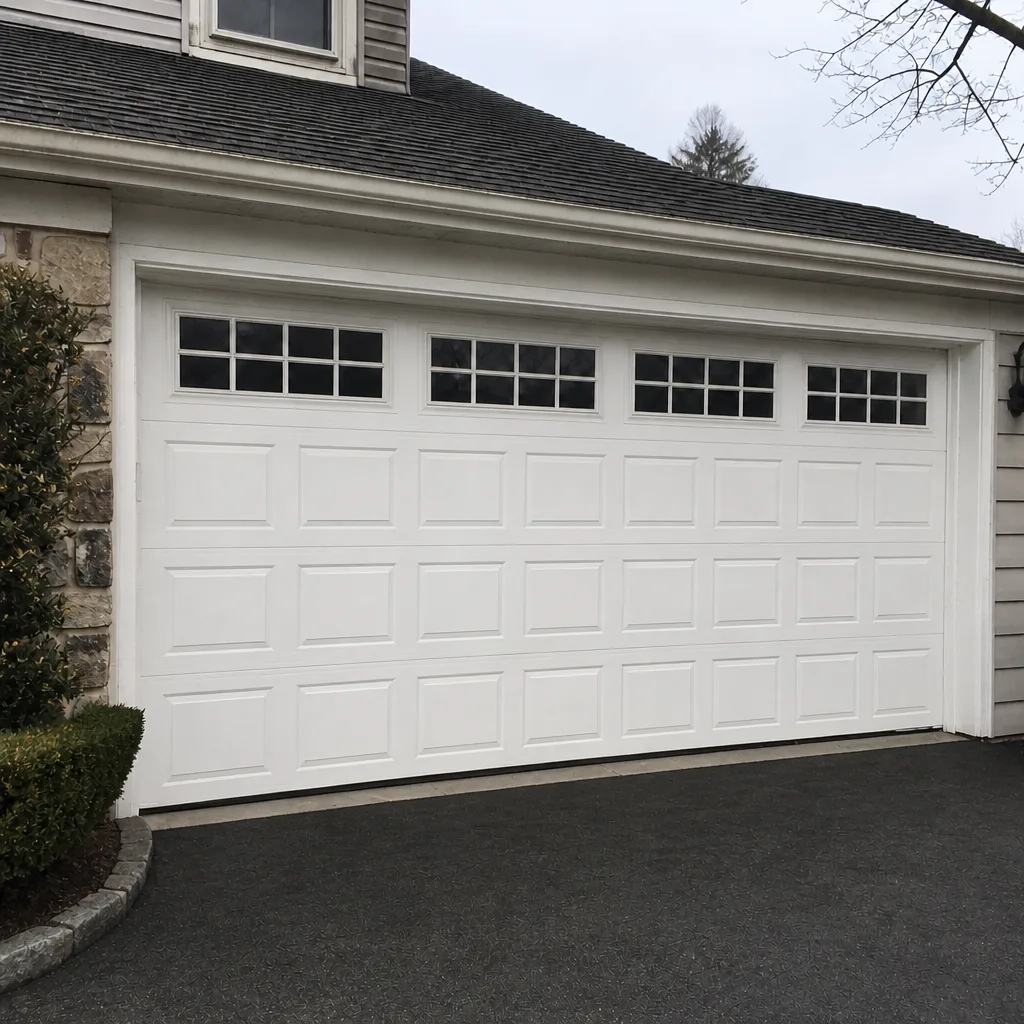
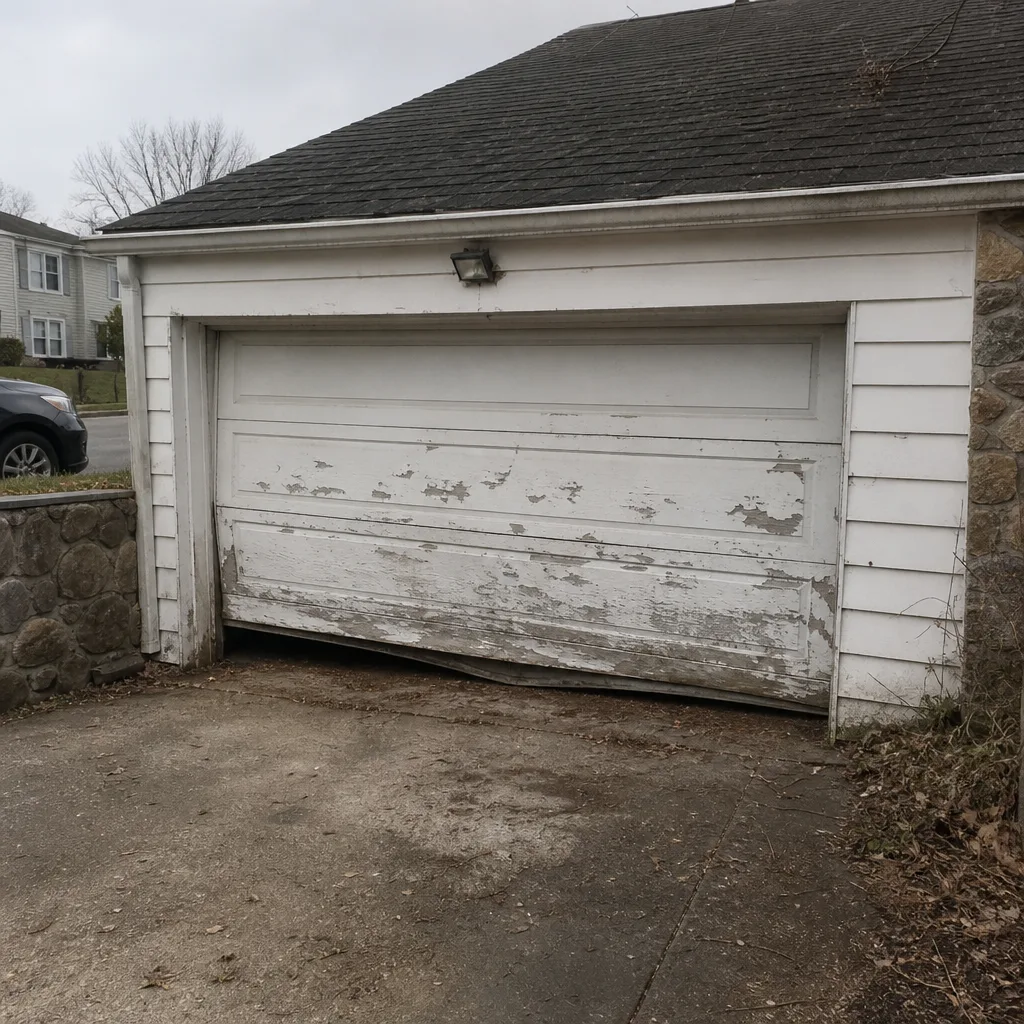
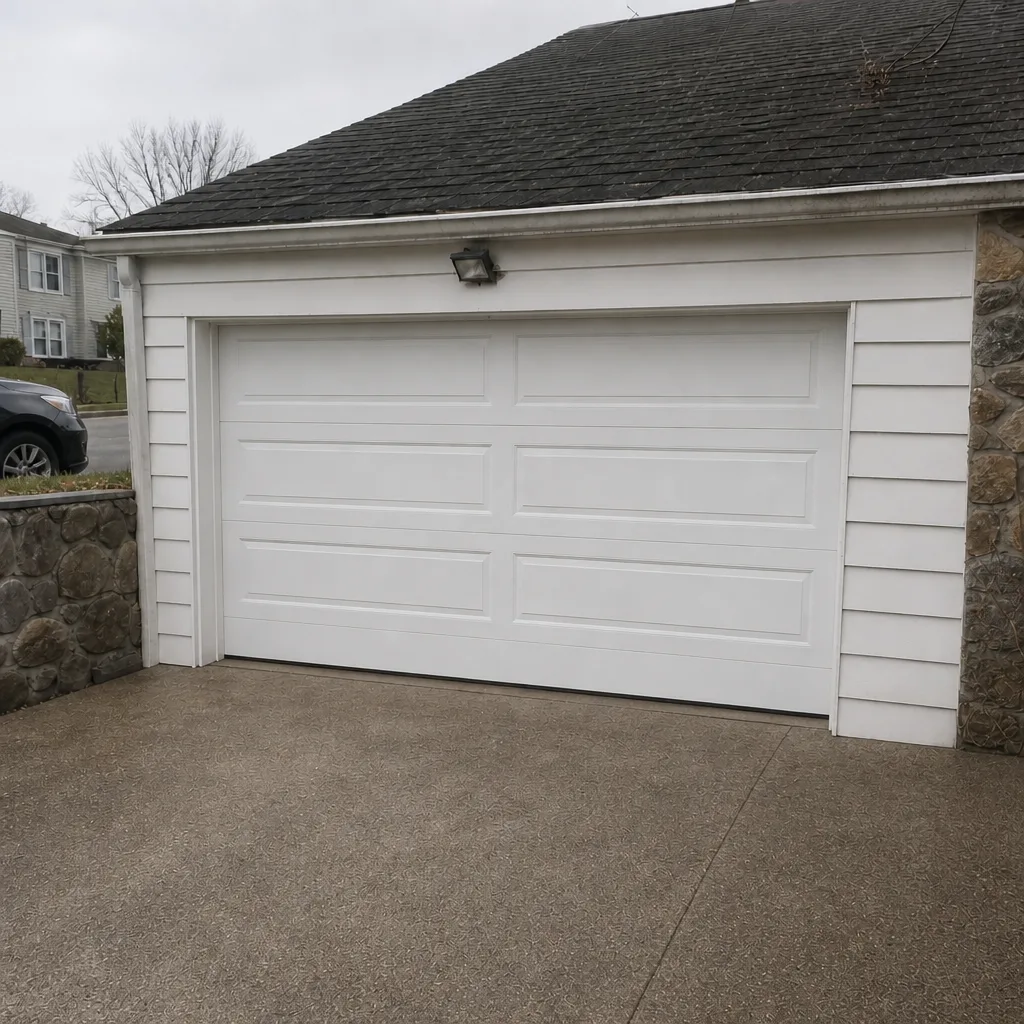
See the difference
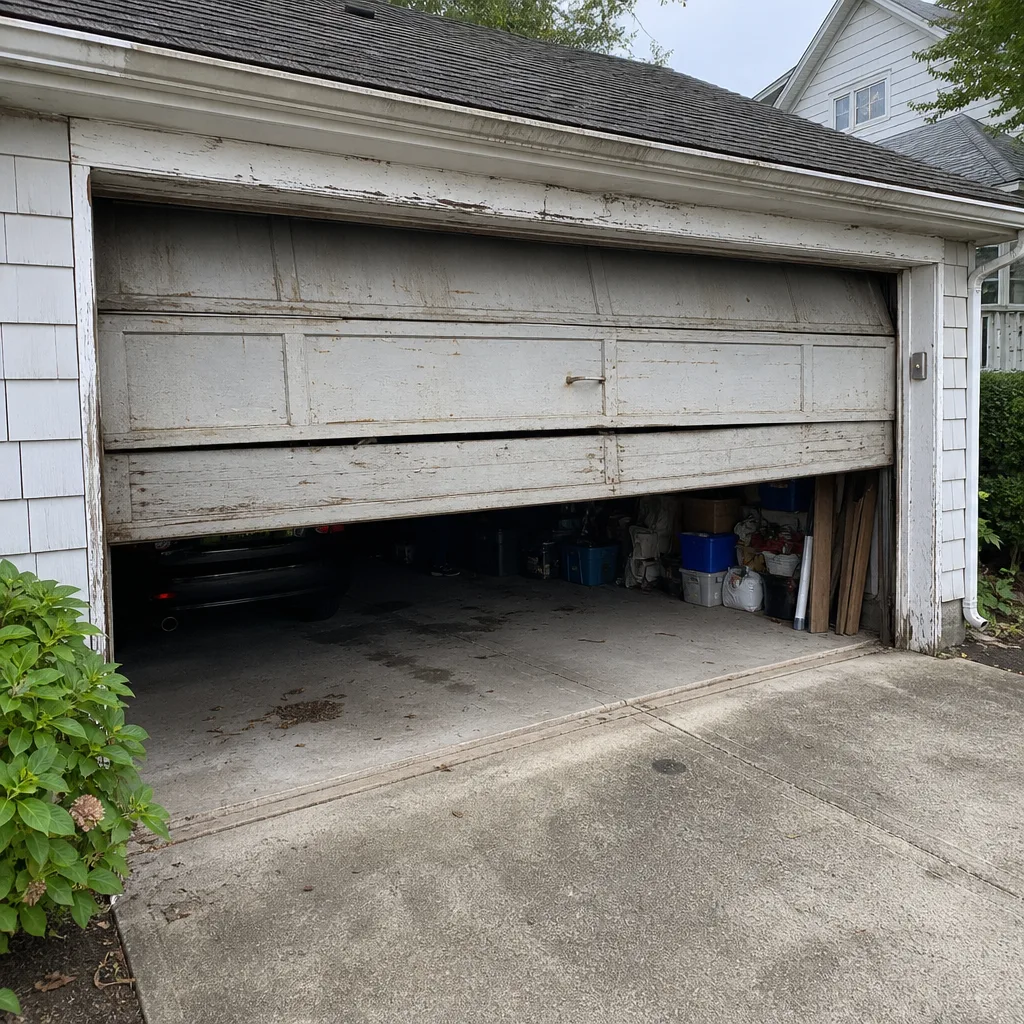 Before
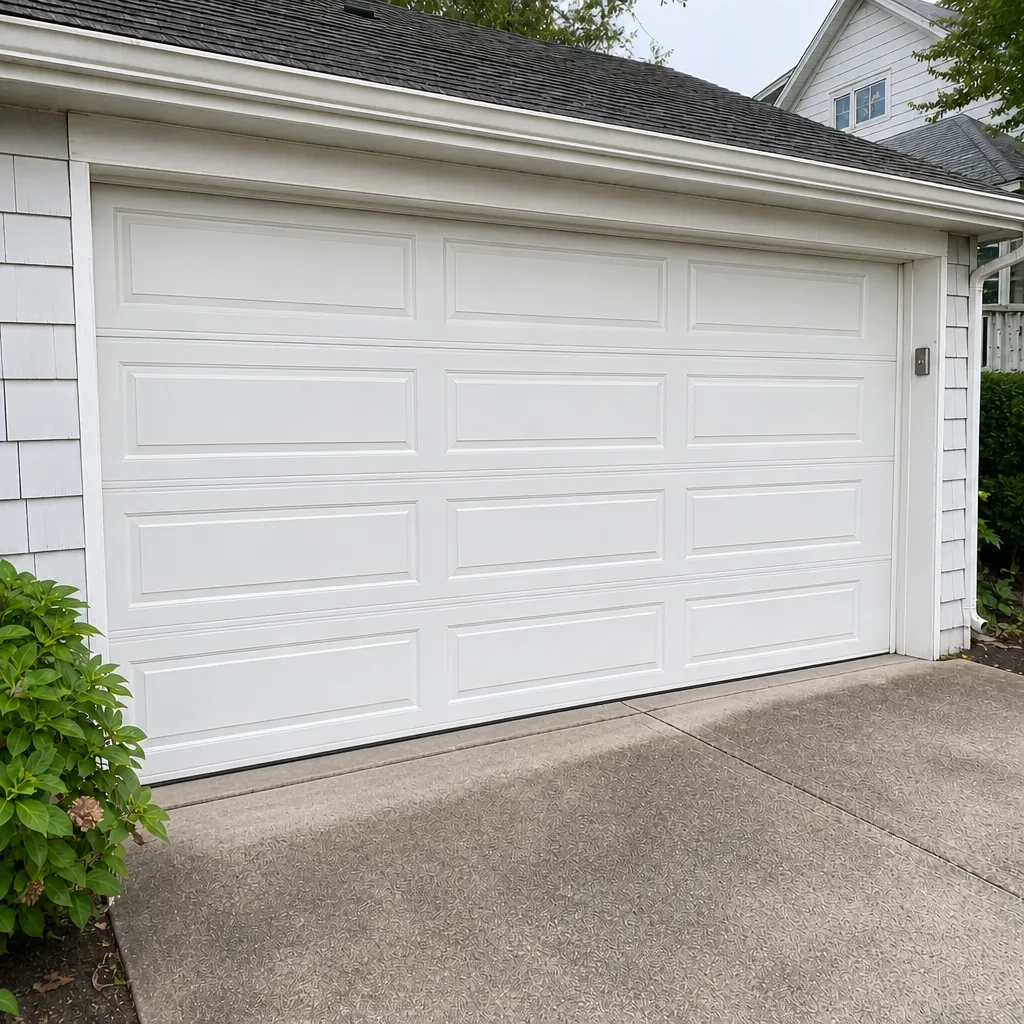 After
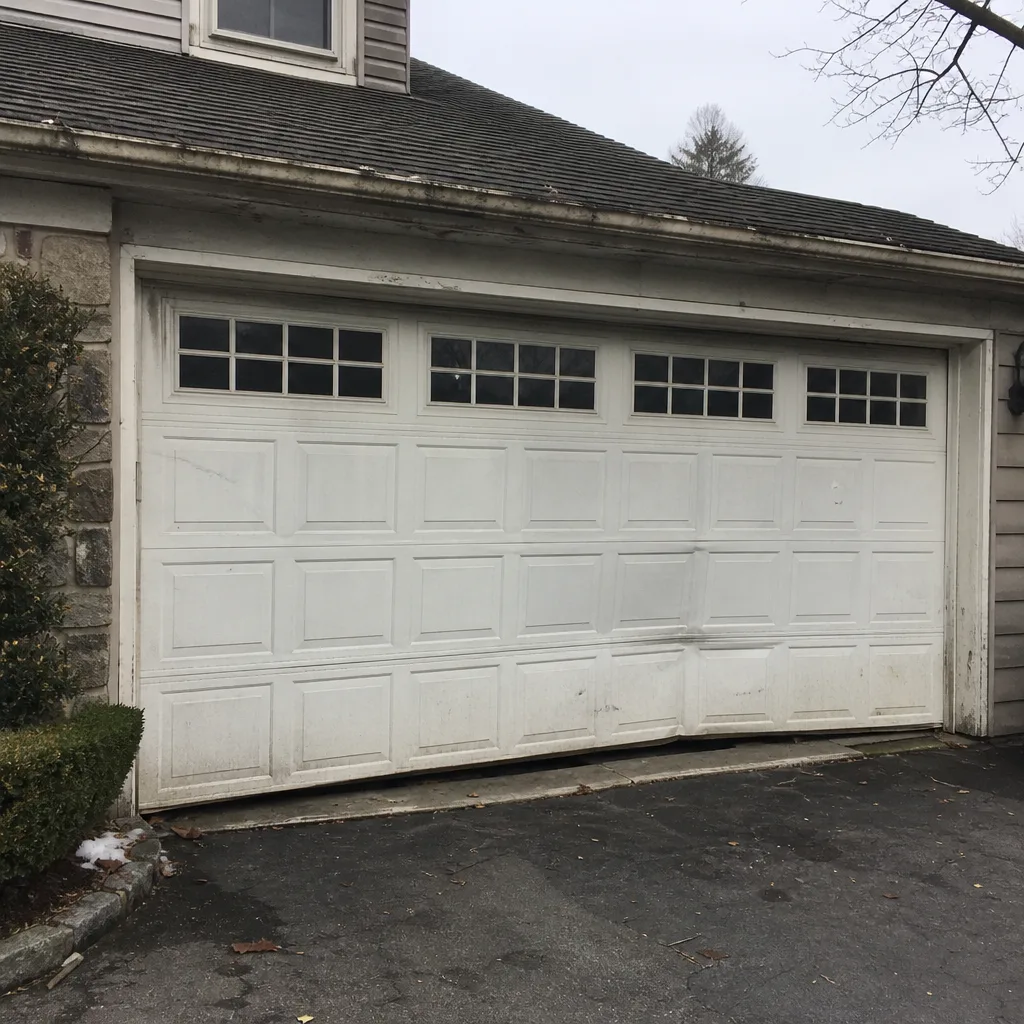 Before
 After
 Before
 After
When to Call a Professional
Call a professional for anything involving springs, torsion bars, track replacement, or electrical work at the opener. That’s a short list but a firm one. Those components carry enough stored energy or voltage to cause serious injury to someone without training. Call us for a door that won’t close or won’t open, a door that reverses unexpectedly, a sensor that won’t settle, a storm-damaged door, or an opener that grinds, hums without moving, or trips a breaker. Call us if the door is off its tracks, if a cable is loose, or if you just don’t know what you’re looking at and want an expert eye on it. A call early in the problem usually saves money later. White Plains Garage Door Repair Pros offers free estimates in White Plains, and we’re the specialist to call for anything garage door related. Call (844) 685-3329. We answer 24/7. Fast dispatch from 7am to 7pm, Sunday through Friday.
Frequently Asked Questions
Yes, if the springs are intact and you disengage the opener by pulling the red emergency release cord. Once the trolley is disconnected, the door slides on its tracks and you can lift it by hand. If a spring is broken or visibly snapped, don’t lift the door; it’s much heavier than it looks and can drop.
First, clear the area around the safety sensors at the base of each track and try again. If that doesn’t fix it, lock the house-to-garage door, brace the garage opening with a clamp or temporary prop, and call for emergency service. Call (844) 685-3329. We answer 24/7.
It’s not the safest option, because an open garage door leaves the garage and the house behind it exposed. Unless you can physically lower the door and secure it, don’t leave the house for long. Move valuables into the house and lock the garage-to-house door, then get the door fixed before you leave.
The price is set per job by the written estimate, and the estimate is free. For a broken spring, the typical estimate runs about $180 to $340 for one spring, and a matched pair is usually replaced together, so a pair runs about twice that. On-site pricing depends on the door type, brand, and what’s actually failed. Call (844) 685-3329 to book an estimate. The estimate is quoted and agreed before any work starts, so there are no surprises on the invoice.
The written estimate you agree to before the work starts is the price. If the technician finds something that changes the scope, you’ll hear it from them before any work is done, and you can decide whether to proceed. We don’t add line items after the fact.
Look for a label on the back or underside of the opener motor housing, usually near the light lens. It shows the brand and model number. Photograph the label and save it in your phone. If you can’t find it, note the brand name and any other numbers visible on the label, and we can cross-reference when you call.
The Bottom Line
Garage door emergencies in White Plains are rarely true emergencies. Most are a five-minute manual fix followed by a scheduled repair, and the homeowners who stay calm are the ones who made one decision before it happened: they know where the release cord is, and they saved the opener’s model number in their phone. The rest of this guide just fills in the details. Springs, tracks, and electrical work are for trained technicians with the right tools; a stuck door, a tripped sensor, or an unsecured opening is something you can handle in the moment. Save the number, save the photo, and if the door fails, call the specialist who works on your brand. That’s the whole plan.
Written by the team at White Plains Garage Door Repair Pros.