
Last updated November 23, 2026
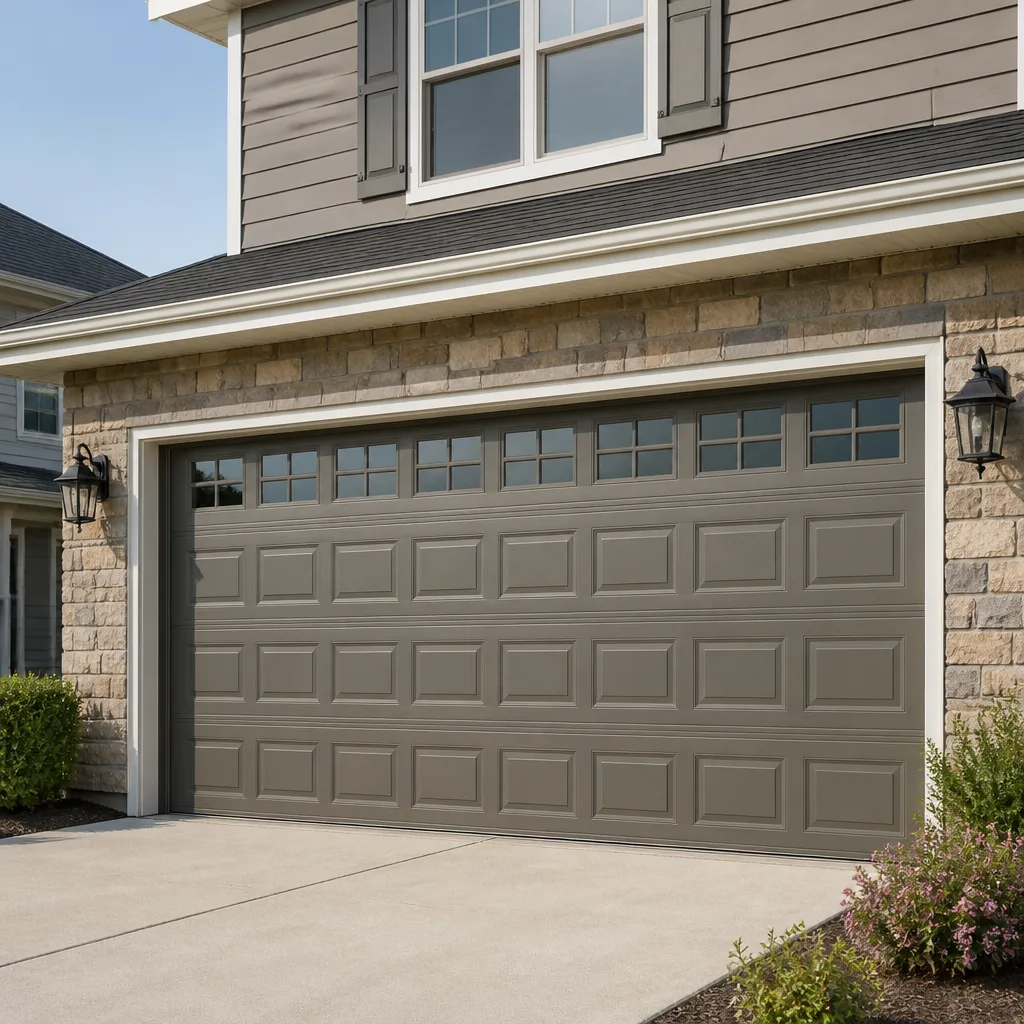 Raised-panel steel
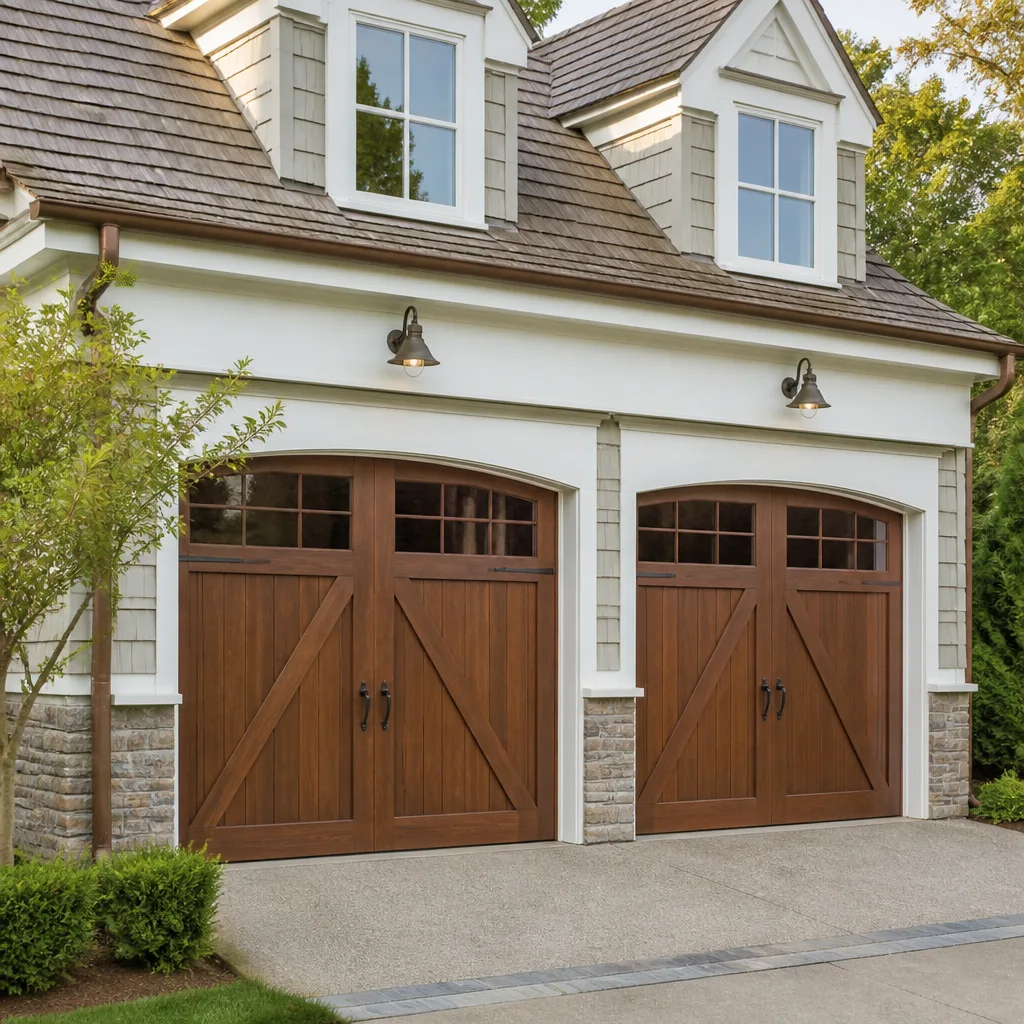 Carriage house
 Modern flush
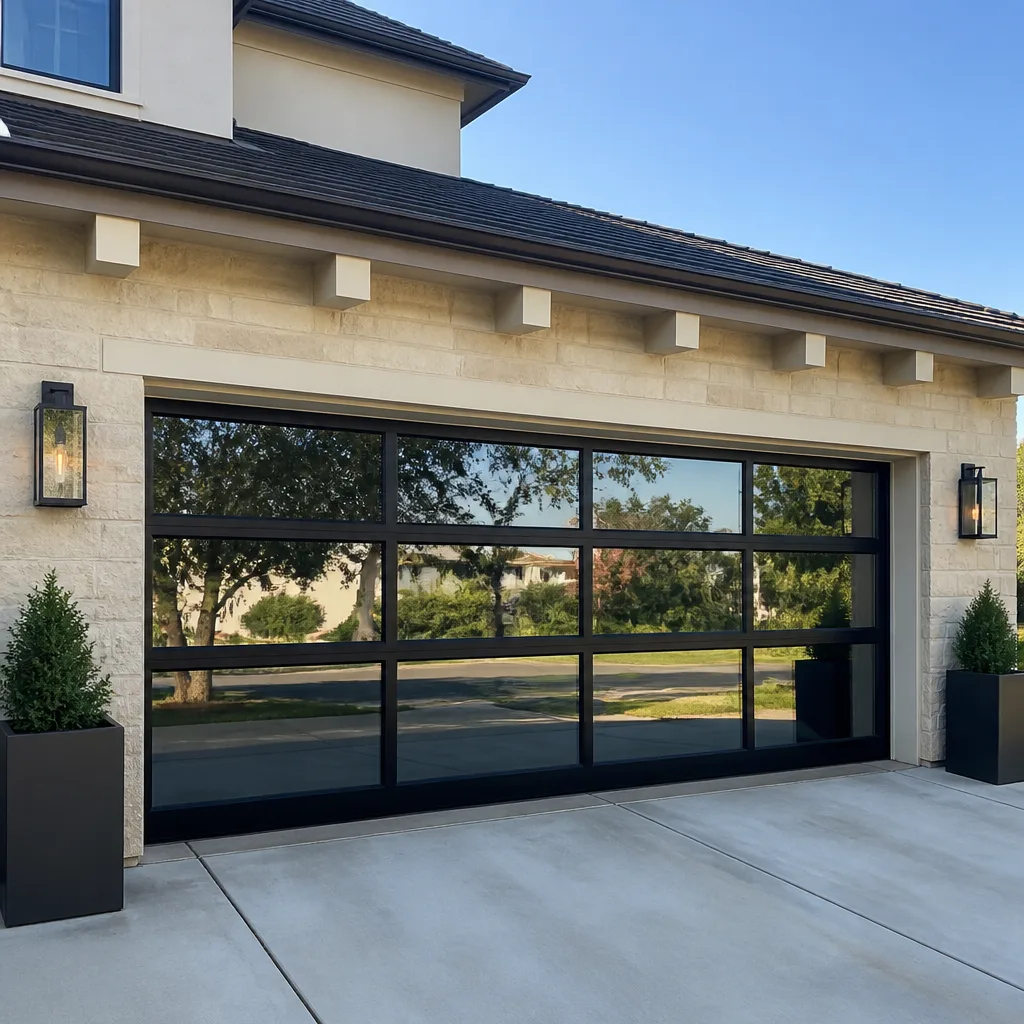 Full-view glass
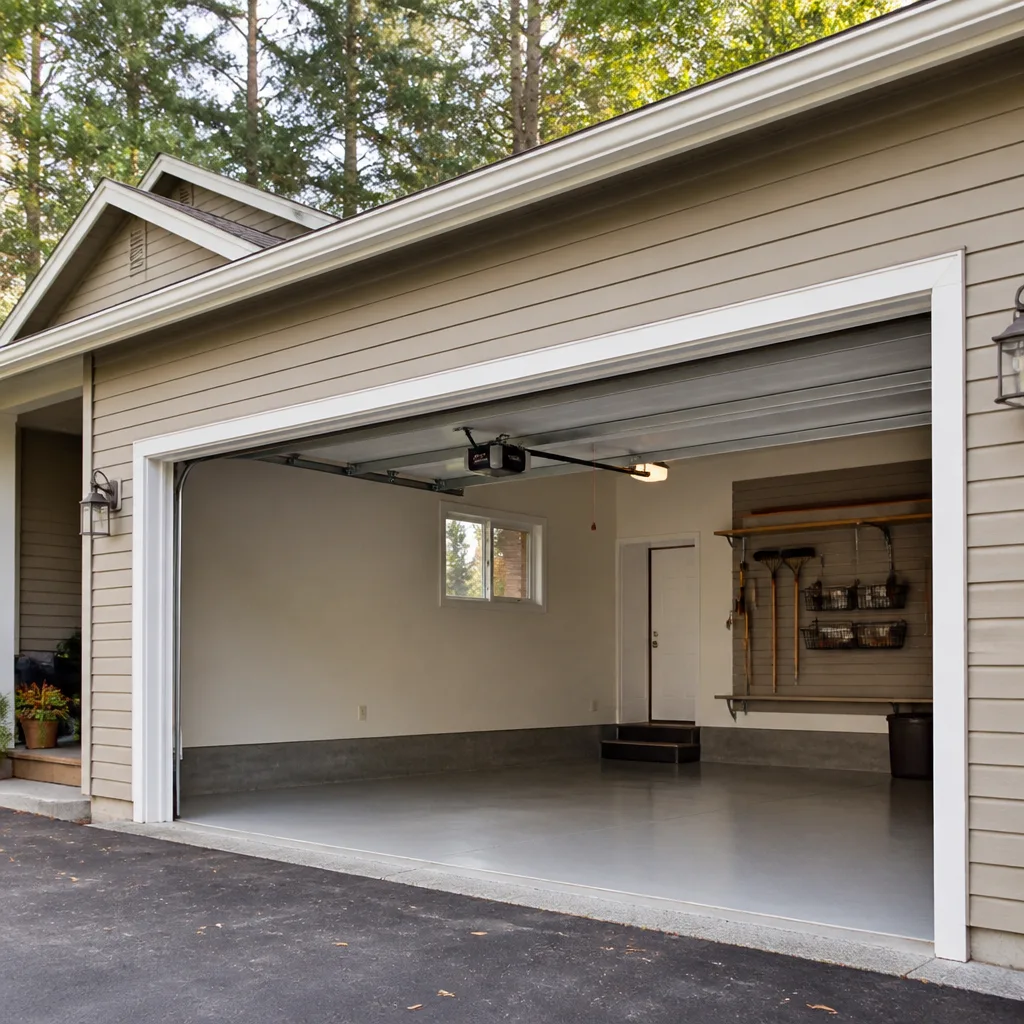 LiftMaster openers
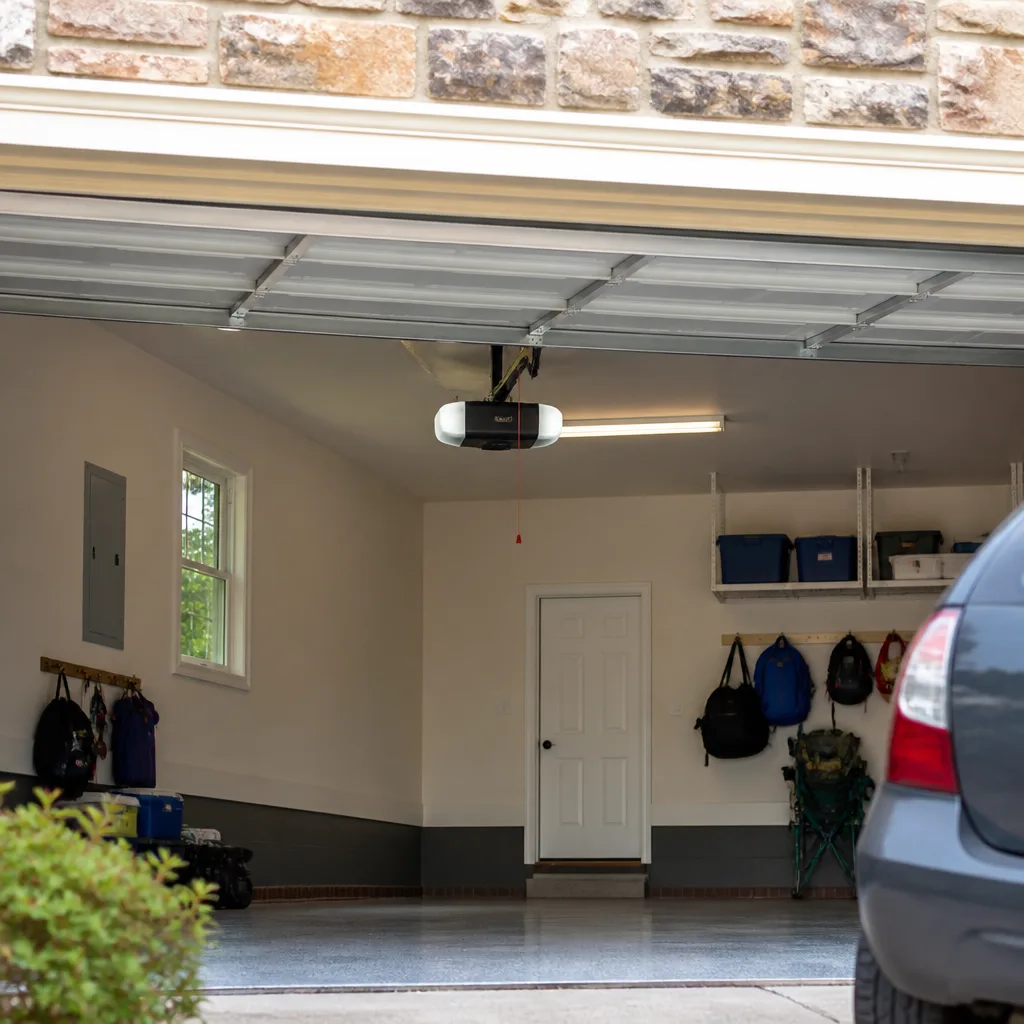 Chamberlain openers
Full 25-point door and opener safety check with every visit - springs, cables, rollers, tracks, and your LiftMaster or Chamberlain opener included
You get a price before we start. It does not change when the pro arrives.
Get your free estimateGarage Door Repair Maintenance Checklist for White Plains Homeowners
Most homeowners treat spring tension as something that only matters when it snaps. That’s backwards. The single maintenance task most people skip is manually testing the door’s balance and watching how the spring responds, and it’s the same check that would have caught most of the emergency calls we answer at the start of a week. A torsion spring rarely fails without warning; it gives months of small signals first. This guide lays out a maintenance schedule built around how often garage door parts actually wear out in White Plains, which checks you can safely do yourself, which ones belong to a trained technician, and how Westchester County’s cold winters and road-salt spray change the timing on all of it.
Quick Answer
A working maintenance routine for a White Plains garage door means a quick visual check every month, a balance test twice a year, lubrication twice a year, and a professional tune-up roughly once a year. The tasks that matter most in this climate are keeping road salt off the bottom brackets and hinges, replacing a cracked bottom seal before winter, and testing door balance to reveal spring fatigue early. Everything involving springs, cables, or the torsion assembly is a professional job, not a homeowner one.
Styles & brands we work with
- Raised-panel steel
- Carriage house
- Modern flush
- Full-view glass
- LiftMaster openers
- Chamberlain openers
Table of Contents
- Why White Plains Weather Sets Your Maintenance Calendar
- Your Monthly Five-Minute Walk-Around
- The Balance Test That Catches Spring Wear Early
- Which Lubricants Actually Survive a White Plains Winter
- Salt Spray, Driveways, and the Hardware That Rusts First
- Month-by-Month Schedule for Westchester County
- When to Call Instead of DIY
Why White Plains Weather Sets Your Maintenance Calendar
A generic four-season checklist won’t do much good here. White Plains sits in a climate where the garage door works harder than in milder parts of the country, and the wear shows up in specific places. The relevant forces are cold, wet, and road salt. Each one attacks a different part of the door.
Temperature swings are the big one for seals and springs. A garage door moves through a wide temperature range across the year, and the bottom seal and the torsion spring both flex and contract with it. A seal that looks fine in July can be brittle by January. A torsion spring that’s been slowly losing tension all fall can finally give out during the first real cold stretch.
Road treatment is the other local factor. Streets around White Plains get treated through the winter, and any door whose driveway meets a treated road picks up salt spray every time a car pulls in and out. That spray settles on the bottom brackets, the hinges, and the lower rollers. Left alone, it’s the fastest path to rusted hardware on an otherwise sound door.
And the region’s housing matters too. Many White Plains garages are attached, they face the weather all winter, and they see daily use. A door that cycles several times a day wears through its moving parts faster than a weekend-only door. Baseline your routine on that, and you’ll catch problems before they become calls. The White Plains Garage Door Repair Pros team works on this hardware constantly, and the wear patterns are consistent enough to plan around.
Your Monthly Five-Minute Walk-Around
Most garage door problems announce themselves before they fail. A quick walk-around once a month, done the same way every time, catches nearly all of them. You don’t need tools for most of it. You need a routine.
- Look at the door from inside with it closed. Check that it sits level across the opening and that no panel is cracked or separating.
- Check the bottom seal. Look for cracking, flattening, or a gap where daylight comes through under the closed door.
- Scan the hinges and brackets. Look for rust, loose bolts, or metal that’s worn thin at the hinge pin.
- Check the rollers. Run a hand along each roller (door closed, springs untouched) and feel for wobble, flat spots, or bearings that don’t spin freely. Never reach near a spring or cable.
- Listen to the opener. A smooth hum with no grinding, squealing, or rattling tells you the opener and its hardware are behaving.
- Look at the safety sensors. The two small lenses near the floor should be clean, aligned, and free of cobwebs. Wipe them off and make sure the indicator light on your opener unit behaves normally.
- Test the auto-reverse. Place a firm object flat on the floor in the door’s path and close the door using the wall control. It should reverse on contact. This is a safety test, not an adjustment; if it fails, call a professional.
Write down anything that changes month to month. A door that starts out slightly noisy and gets noisier is telling you something’s loosening. On a garage door repair page we’ve covered how the smaller issues look, and this walk-around is where you spot them at that stage.
The Balance Test That Catches Spring Wear Early
This is the check most homeowners skip, and it matters most. Testing door balance tells you how the spring is holding and how the door is traveling. It reveals a tired spring long before it fails, which is exactly why so many early-week emergency calls trace back to a spring nobody tested.
A torsion spring, the type on most modern doors, is a tightly wound steel coil under severe tension. A door that’s properly balanced opens and closes with light effort because the spring is doing most of the lifting. When the spring weakens, the door feels heavier and the opener strains to lift it. That extra strain shortens the opener’s life too.
The balance test, safely done:
- Close the door fully with no one underneath.
- Disconnect the opener using the manual release cord. On most garage door opener repair setups, that means pulling the red handle until the carriage releases the door.
- Lift the door to about halfway, by hand, holding it flat in the center of a panel, never near the spring.
- Let it go gently. A balanced door holds roughly in place at halfway. It shouldn’t drop hard or need to be shoved.
- Reconnect the opener by pulling the release handle back toward the door until it latches, then cycle the door once.
If the door slams down, needs forcing up, or won’t stay put at halfway, the spring is worn or the balance is off. That’s a call, not a fix. Never try to tighten a torsion spring yourself. Even experienced hands treat torsion springs as the most dangerous part of the whole system, and a single misplaced adjustment can cause serious injury. Our spring work is handled by trained technicians because of exactly this kind of risk, and garage door spring repair is the specialist line we run here in White Plains.
Which Lubricants Actually Survive a White Plains Winter
Half the advice online about garage door lubrication was written for a climate that doesn’t drop below freezing. In our experience, the wrong product gums up at exactly the temperature the door most needs to move freely.
Below about 20°F, the wrong lubricant turns from a slick film into a sticky mess. That’s how a door that worked fine in November starts dragging and squealing by January. The door isn’t broken. The grease has stopped greasing.
What to use:
- Silicone-based spray lubricant for hinges, rollers, and the bottom brackets. It stays flexible in cold and doesn’t attract dust the way oil-based products do.
- White lithium grease for the larger metal contact points and the opener’s rail, applied sparingly. It’s known for holding up in low temperatures, unlike general-purpose grease.
- Chain and cable lube for chain-drive openers. Apply it lightly and wipe off any excess so it doesn’t fling off onto the door or your car.
What to avoid:
- WD-40 and similar light multi-purpose sprays. They work briefly as a solvent but they don’t stay put and can wash away the heavier grease underneath.
- Standard automotive grease in the low-temperature months. It gets thick and drags.
- Cooking oil or household oils. They attract dust and eventually go rancid or gummy.
Lubricate twice a year: once before winter and once in spring. Wipe each moving part clean first. A thin coat does more than a heavy one. If your door uses a garage door opener repair visit from us, the technician will check the drive assembly and let you know what it needs; the chain, belt, or screw drive on a LiftMaster, Chamberlain, or Genie opener each has its own lubrication needs, and using the wrong product on any of them causes more wear than no product at all.
Salt Spray, Driveways, and the Hardware That Rusts First
If your driveway meets a treated White Plains street, you already have a maintenance factor most checklists ignore. Salt spray lands on the bottom of the door every time a car pulls in and out, and the metal down there takes the hit first.
The order of corrosion is predictable. The bottom brackets go first because they sit lowest and catch the most spray. The bottom rollers are next. Then the hinges in the lower panels, and last the metal edges of the bottom seal. By the time you see rust on the upper panels, the lower hardware has been deteriorating quietly for a couple of seasons.
What helps: rinse the bottom of the door and the brackets with a garden hose after the worst of the slush is over, and dry them. A light coat of silicone spray after drying slows rust. Check the bottom brackets and rollers more often than the rest of the hardware; twice a month through the treating season isn’t excessive if your driveway opens onto a treated road.
Two notes on White Plains specifically. First, many driveways here are short, so cars stop close to the door and spray it directly. Second, attached garages mean the door’s bottom seal is also your weather seal; a rusted-out bottom bracket weakens the seal along the floor and lets cold air and moisture in. Replace rusted brackets and rollers early rather than waiting for the seal to fail along with them. If your door has Raynor or Clopay panels and the bottom hardware has started to pit, the garage door repair team can tell you whether the hardware alone needs replacing or the panel too.
Month-by-Month Schedule for Westchester County
Calendar-based maintenance beats generic checklists because Westchester County’s seasons have a rhythm. Here’s what makes sense through the year, timed to how the door actually wears in this climate.
- March-April (thaw): Rinse the salt off the bottom hardware. Check the bottom seal for damage from the freeze-thaw cycles. Lubricate hinges and rollers for spring.
- May: Balance test. Run the monthly walk-around. Check the opener’s safety sensors and test the auto-reverse.
- June-July: Listen for new noises; summer heat can reveal a loosening door. Check the drive belt or chain for cracks and slack if the opener is belt or chain-driven.
- August-September: Pre-winter lubrication on hinges, rollers, and brackets with silicone. Inspect the seal again for cracks before the cold locks them in.
- October: Balance test before the heating season. Check the spring’s condition visually: any rust, and this is the time to book a professional inspection before cold stress hits.
- November: Secure the bottom seal against the floor. Clear the bottom brackets of debris. Schedule a professional tune-up if you haven’t in a year.
- December-February: Watch for frozen seals along the floor. Keep the bottom hardware clear of snow and ice. Test the auto-reverse monthly; cold can stiffen a seal that’s nearing failure.
Two balance tests a year – one in spring, one before winter – is the minimum. A professional tune-up once a year catches what a homeowner can’t. Our technicians have up to 9 years of experience, and the tune-up is where that shows up.
When to Call Instead of DIY
There’s a clear line between homeowner maintenance and professional work. It’s not about difficulty; it’s about safety and about the parts of the assembly a homeowner should never touch.
What you can safely do:
- Visual inspection of panels, hinges, and rollers.
- Lubrication of moving parts that aren’t under tension.
- Cleaning the safety sensors and testing auto-reverse.
- Rinsing road salt off the bottom hardware.
- The manual balance test, done the way described above.
What should always go to a trained technician:
- Adjusting or replacing a torsion spring. This is the single most dangerous part of the system.
- Adjusting cables or replacing cable assemblies.
- Any time the door doesn’t balance correctly and the spring needs evaluation.
- Replacing a roller that’s seized hard, or a bottom bracket that’s rusted or bent.
- Repairing opener wiring or repairing a circuit board.
- Any situation where the door hangs or moves unevenly.
If the balance test fails, don’t test it again or try to compensate by forcing the door. Stop, leave it, and call. The White Plains Garage Door Repair Pros team can come out, evaluate the spring, and quote the fix before doing any work. White Plains Garage Door Repair Pros offers free estimates – call (844) 685-3329. We answer 24/7. Fast dispatch from 7am to 7pm, Sunday through Friday.
Common Mistakes to Avoid
- Skipping the balance test because it “feels fine.” A door can feel normal and still be losing tension slowly. The test is how you find the fatigue, not the feel.
- Using WD-40 as a lubricant. It’s a solvent, not a long-term lubricant, and in a White Plains winter it does more harm than good on hinges and rollers.
- Ignoring the bottom seal through salt season. Road spray lands on the bottom of the door first. Rusted brackets and a cracked seal go together, and fixing one without the other just means a call back later.
- Testing the balance with the opener still connected. Disconnect it first. Otherwise you’re testing the opener’s lift, not the door’s balance.
- Over-lubricating. A heavy coat of grease traps dust and grit, which accelerates wear. Thin and regular works better than thick and occasional.
- Forcing a door that’s hanging or moving unevenly. A door that needs a shove to open or close is telling you something’s off in the spring or track. Forcing it risks injury and causes more damage.
- Treating every brand of opener the same. LiftMaster, Chamberlain, Genie, and Raynor openers each have their own maintenance quirks. A Raynor opener’s safety system doesn’t test the same way a Genie’s does, and a generic guide can send you down the wrong path.
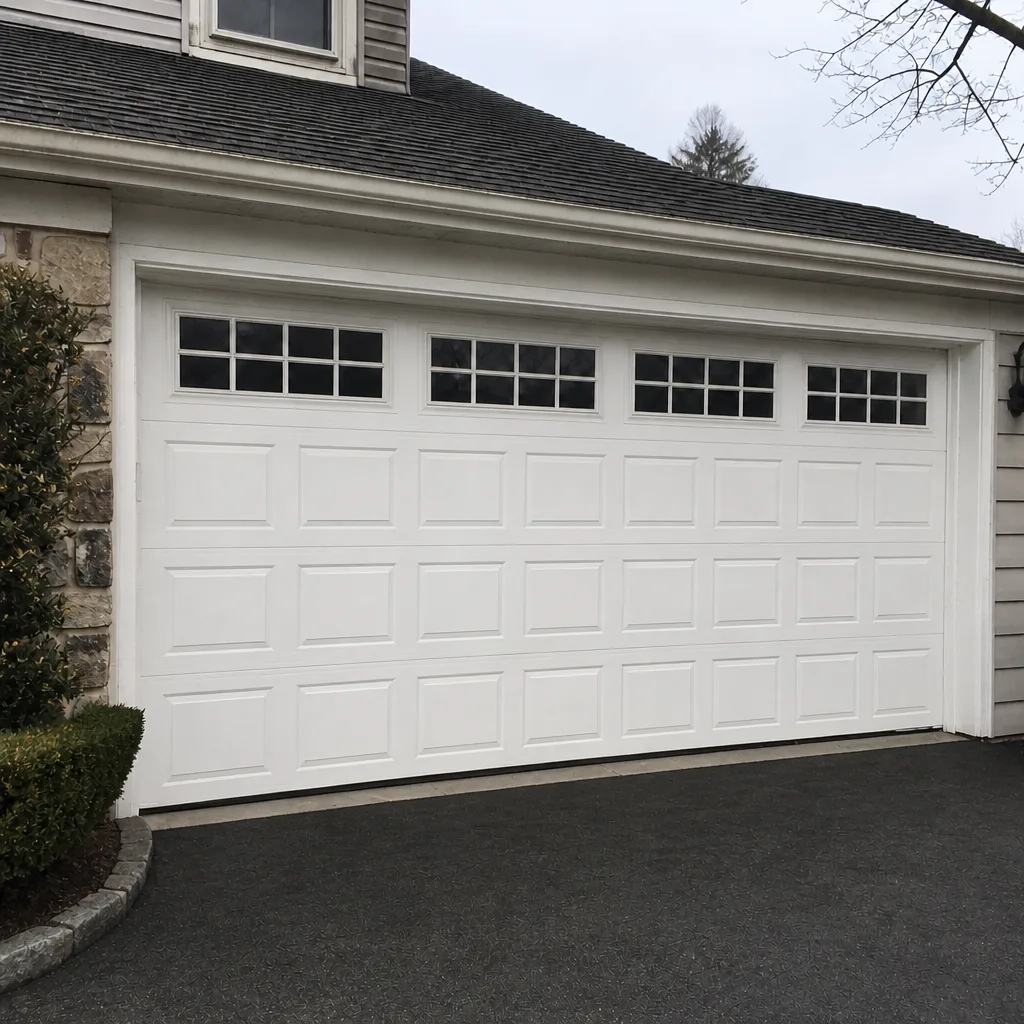
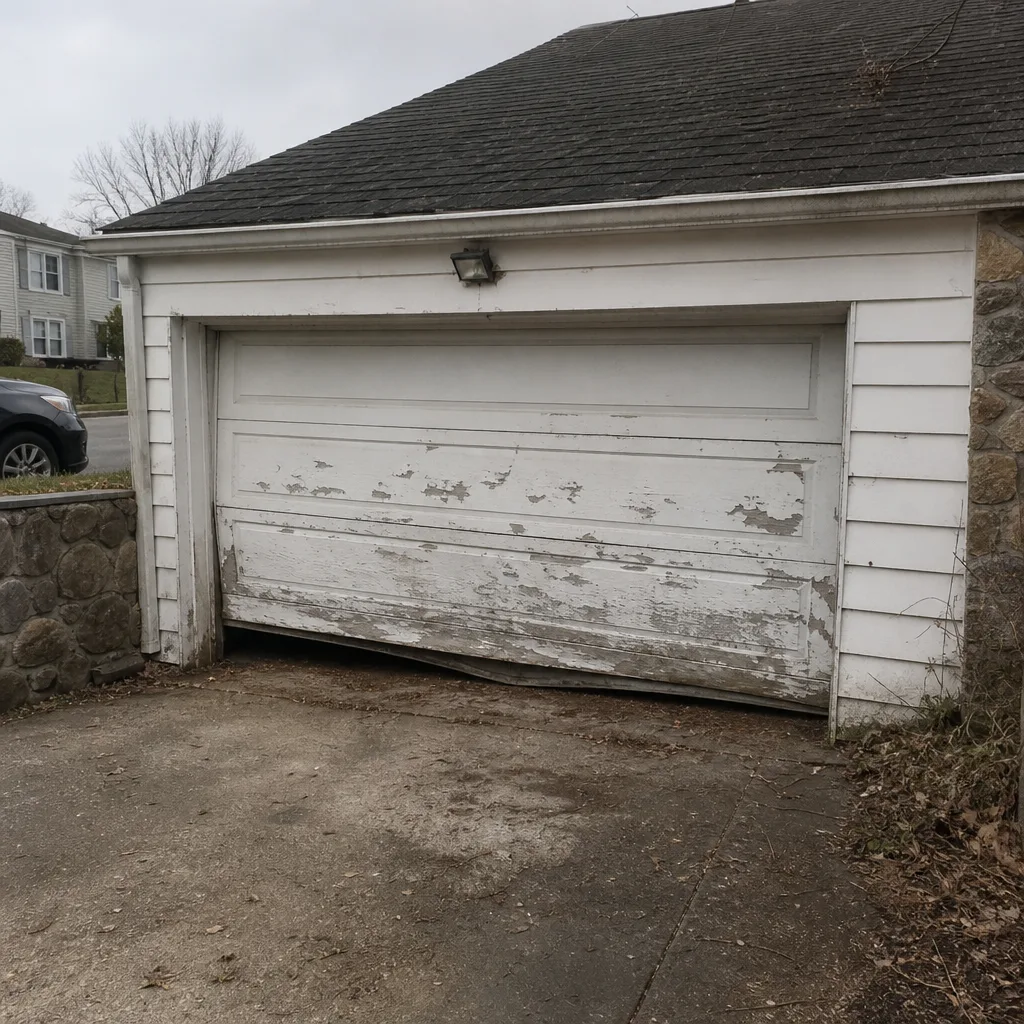
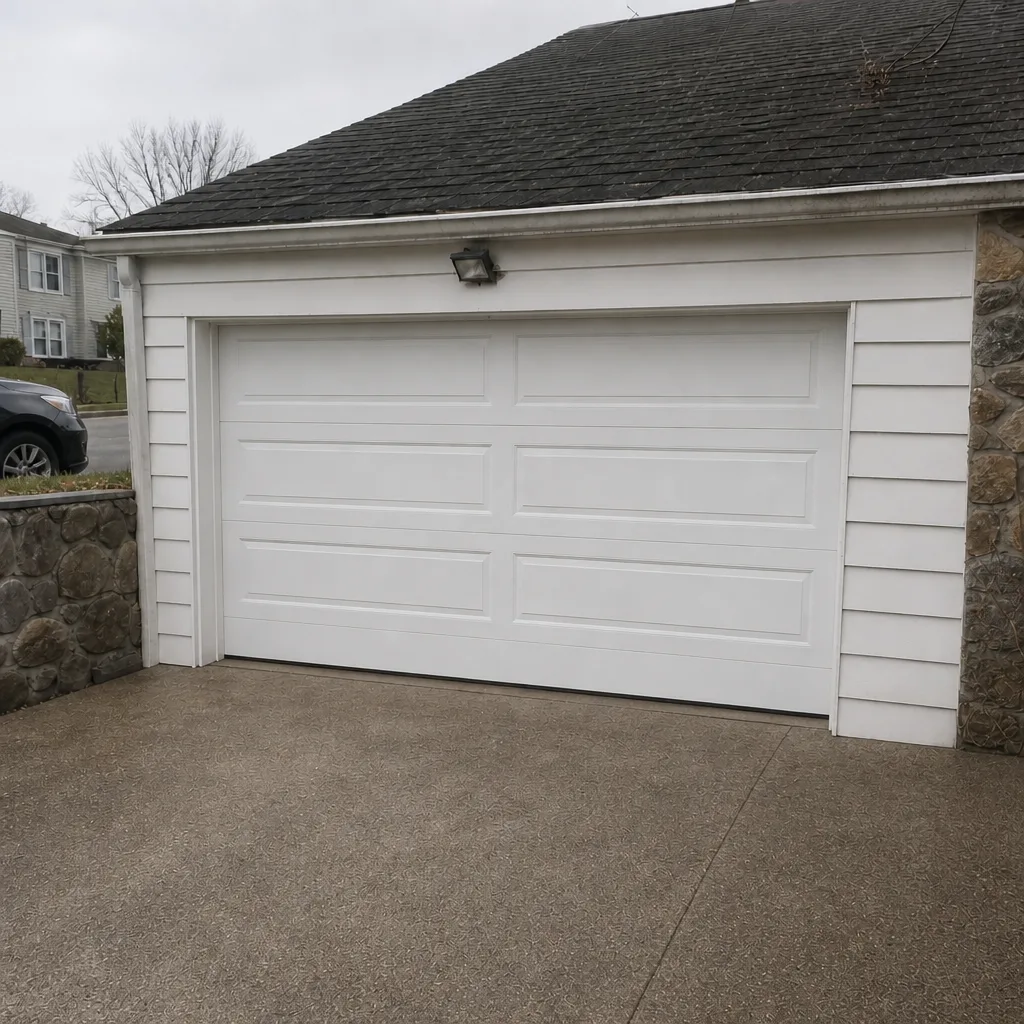
See the difference
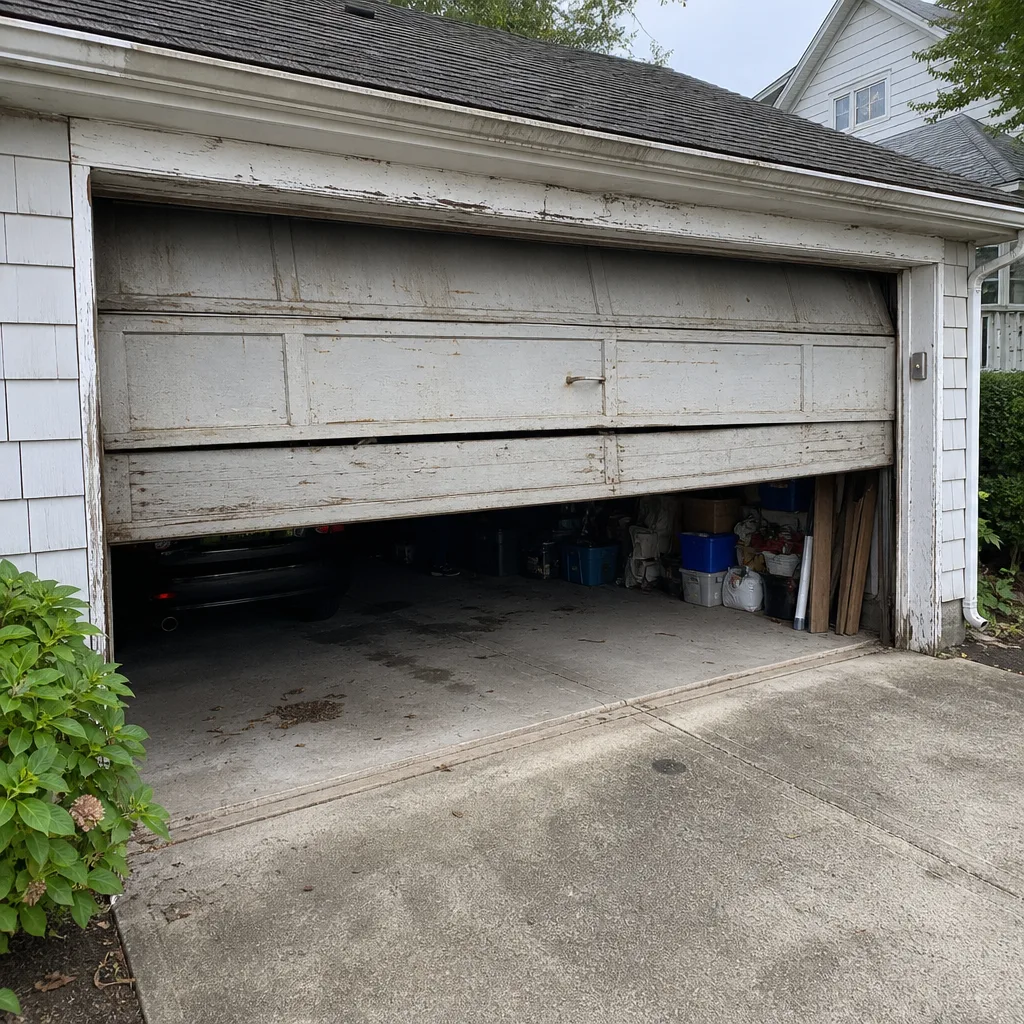 Before
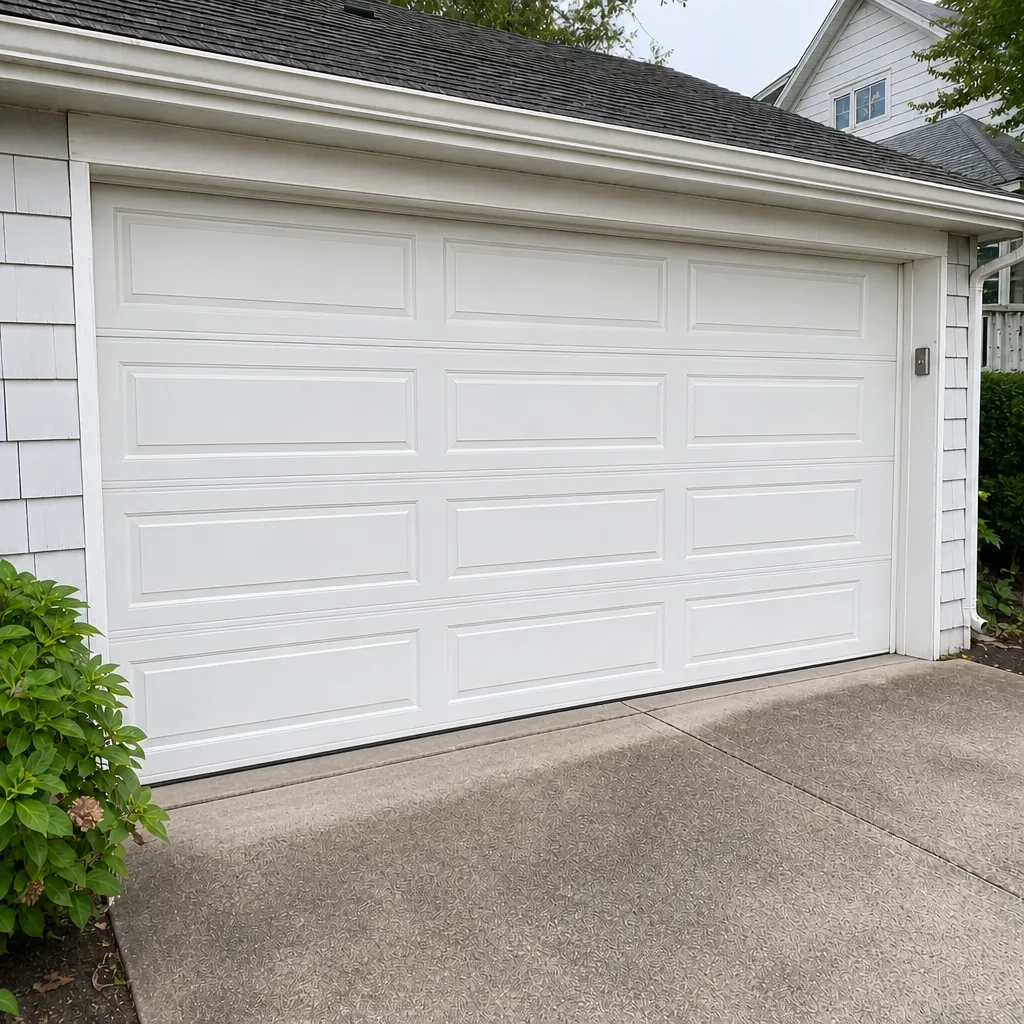 After
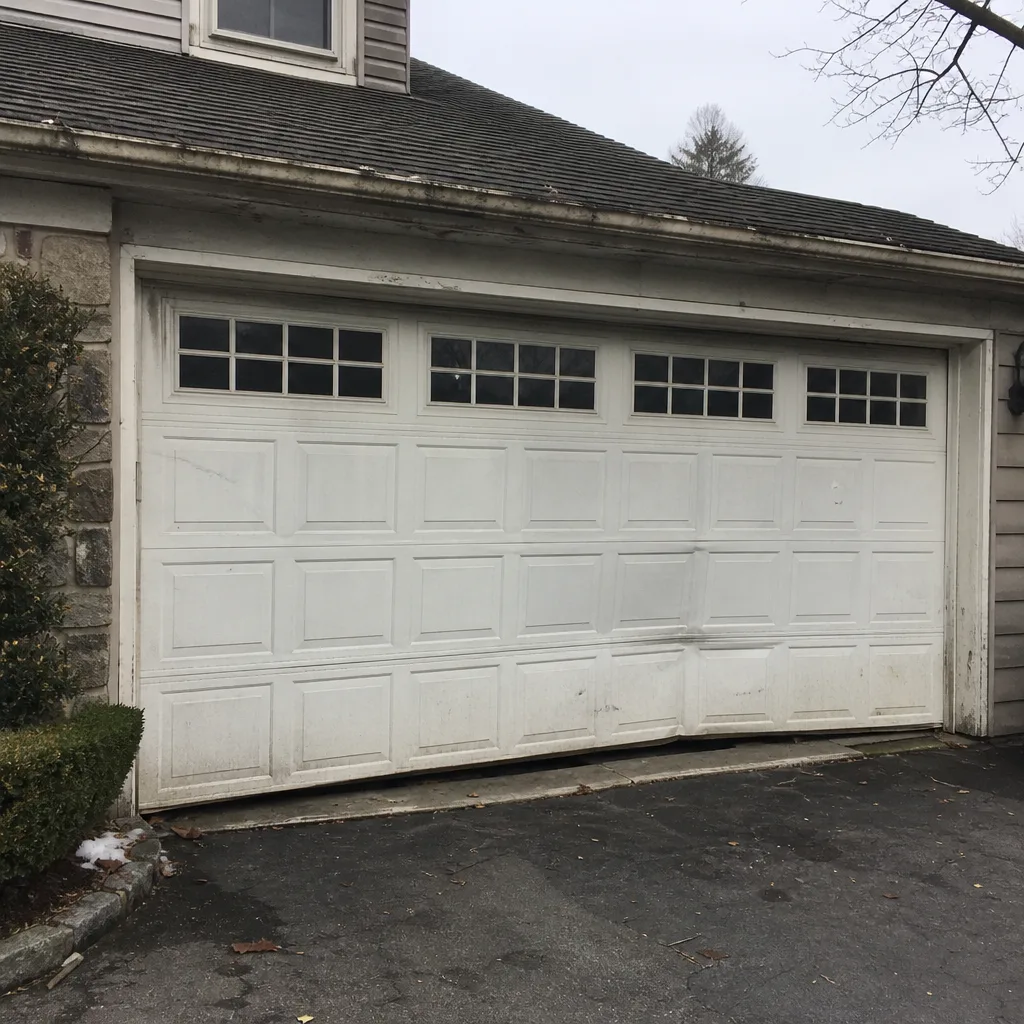 Before
 After
 Before
 After
When to Call a Professional
Call a professional the moment the door doesn’t balance correctly, hangs unevenly, or the spring looks or sounds different from last month. Call immediately if the door won’t close fully, a cable looks frayed, the opener hums but doesn’t lift the door, or you see rust on the spring coils. Those are all situations where a trained technician needs to look, not a homeowner. A professional tune-up is also worth booking once a year even when nothing looks wrong: the technician checks spring tension, cable condition, track alignment, roller wear, and opener settings in one visit, and that level of inspection isn’t something the monthly walk-around can replicate. White Plains Garage Door Repair Pros offers free estimates in White Plains – call (844) 685-3329. We answer 24/7. Fast dispatch from 7am to 7pm, Sunday through Friday.
Frequently Asked Questions
Once a year for a professional tune-up, with homeowner checks monthly and lubrication twice a year. The cold winters and road-salt exposure here wear the hardware faster than in milder climates, so the annual professional visit catches spring and cable wear before it turns into a failure. Between visits, the monthly walk-around and the twice-yearly balance test do most of the work.
No. Torsion springs are under severe tension and adjusting them is the most dangerous garage door task there is. Even trained hands treat it carefully, and a mistake can cause serious injury. Leave spring work to a professional and never touch the spring or cable assembly yourself.
Cold stiffens the grease, hardens the bottom seal, and contracts the spring. A door that worked fine in fall can drag or stick in the first real freeze. The usual culprits are grease that’s too thick for low temperatures, a bottom seal that’s lost its flexibility, or a spring that’s been losing tension for months. Switching to a silicone-based lubricant and getting the spring checked usually solves it.
Silicone-based spray lubricant for hinges and rollers, and white lithium grease for larger metal contact points. Both stay flexible below freezing, unlike general-purpose grease or WD-40. Apply thin coats and wipe off the excess; a little goes a long way, and too much attracts grit.
The balance test tells you. Disconnect the opener, lift the door to halfway by hand, and let go. If it doesn’t hold roughly in place, the spring is worn. Also watch for a door that feels heavier than it used to, an opener that strains, or rust on the coils. Any of those means a professional should look at it.
Yes, once a year. Many garage door failures are progressive and quiet: a spring losing tension, a cable fraying at a wear point, a roller seizing slowly. A technician catches these before they become emergencies, and a tune-up is cheaper than an emergency call. It’s worth booking the visit even when the door seems fine, unless the annual inspection is not practical with your schedule.
The Bottom Line
Maintenance for a White Plains garage door is mostly about timing. Monthly walk-arounds, a balance test twice a year, and the right lubricant before the cold hits prevent most failures. Road salt and temperature swings do the real damage in this climate, so the bottom hardware and the bottom seal need the most attention. The spring is where the danger lives, and the balance test is how you keep an eye on it without touching it. Do the safe checks yourself, and book a professional tune-up once a year to catch what you can’t. If something’s off, call before it gets worse.
Call (844) 685-3329 for a free estimate. White Plains Garage Door Repair Pros connects you with independent local professionals who work on LiftMaster, Chamberlain, Genie, Raynor, and other major brands. Same-day and emergency service available; estimates are free and the price is set per job by the written estimate. We answer 24/7. Fast dispatch from 7am to 7pm, Sunday through Friday.
Written by the team at White Plains Garage Door Repair Pros.