
Last updated November 23, 2026
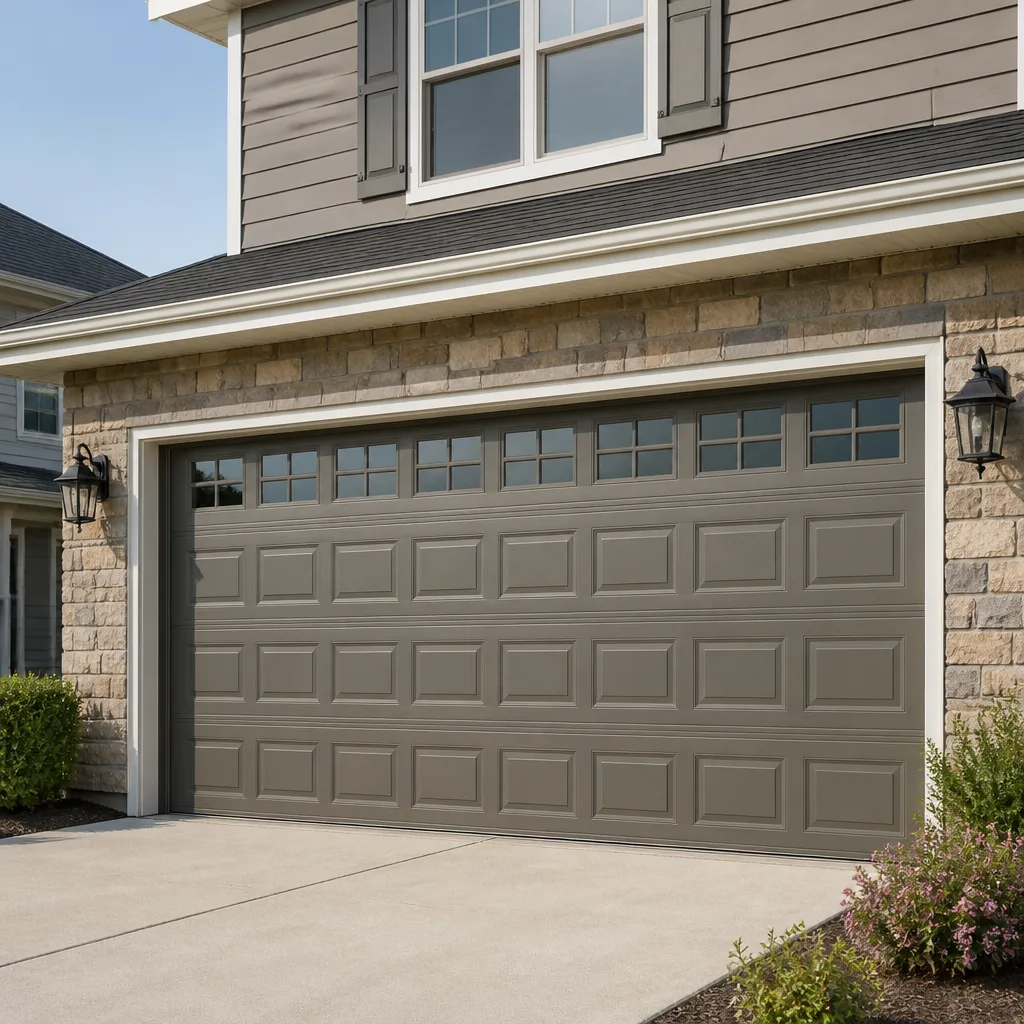 Raised-panel steel
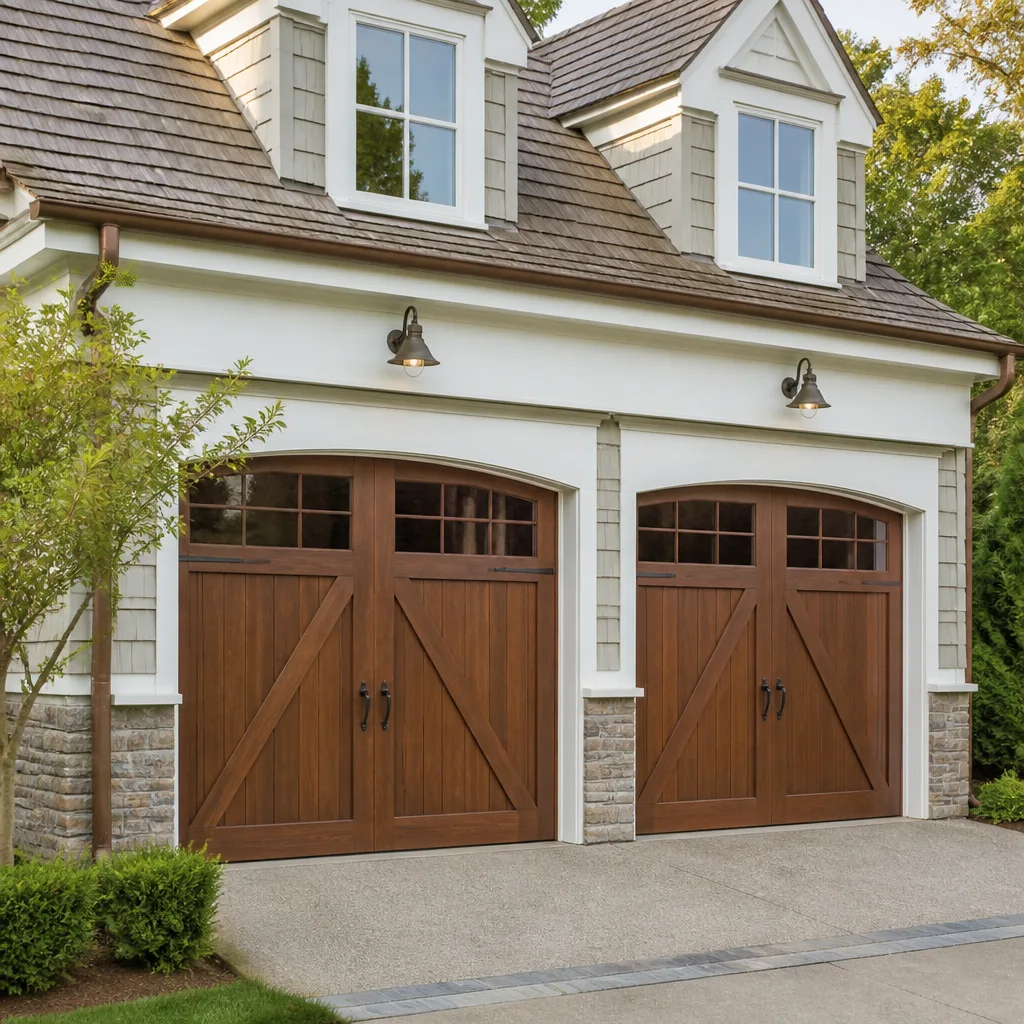 Carriage house
 Modern flush
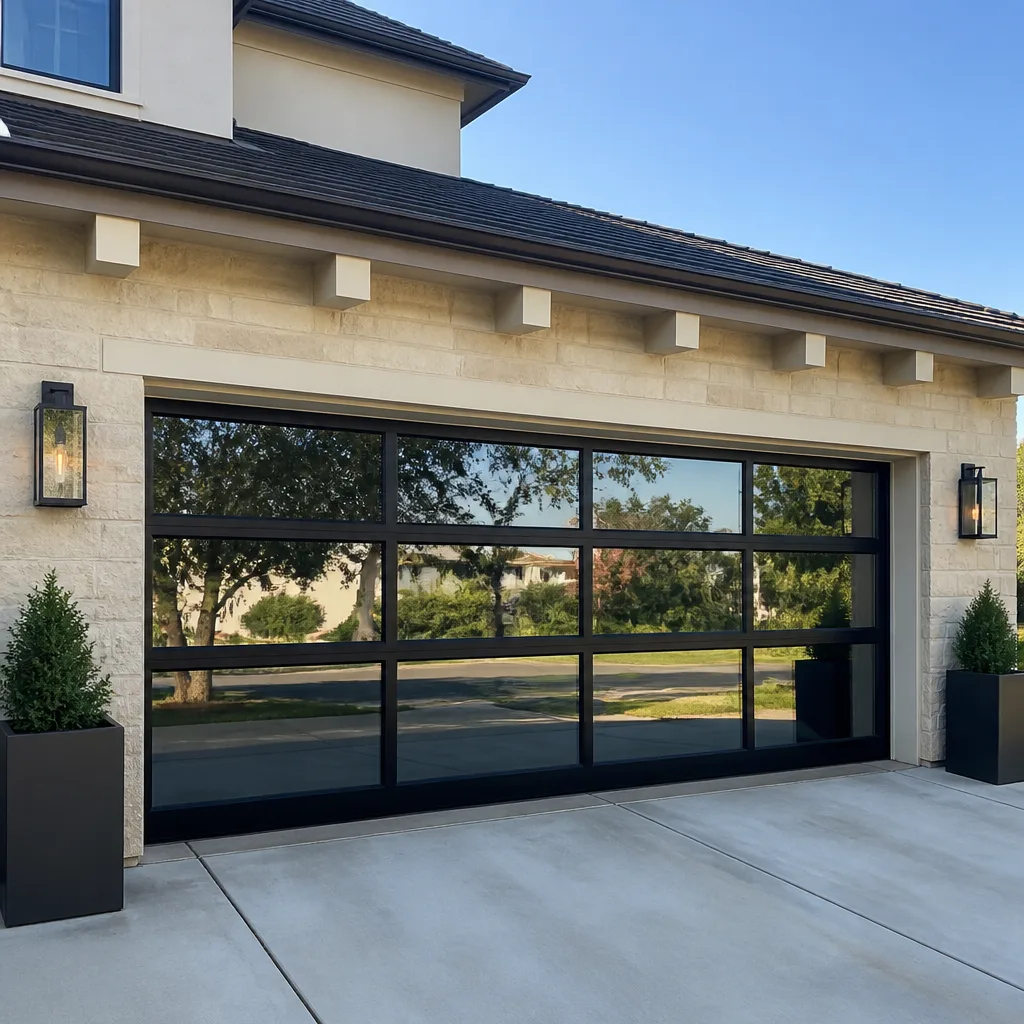 Full-view glass
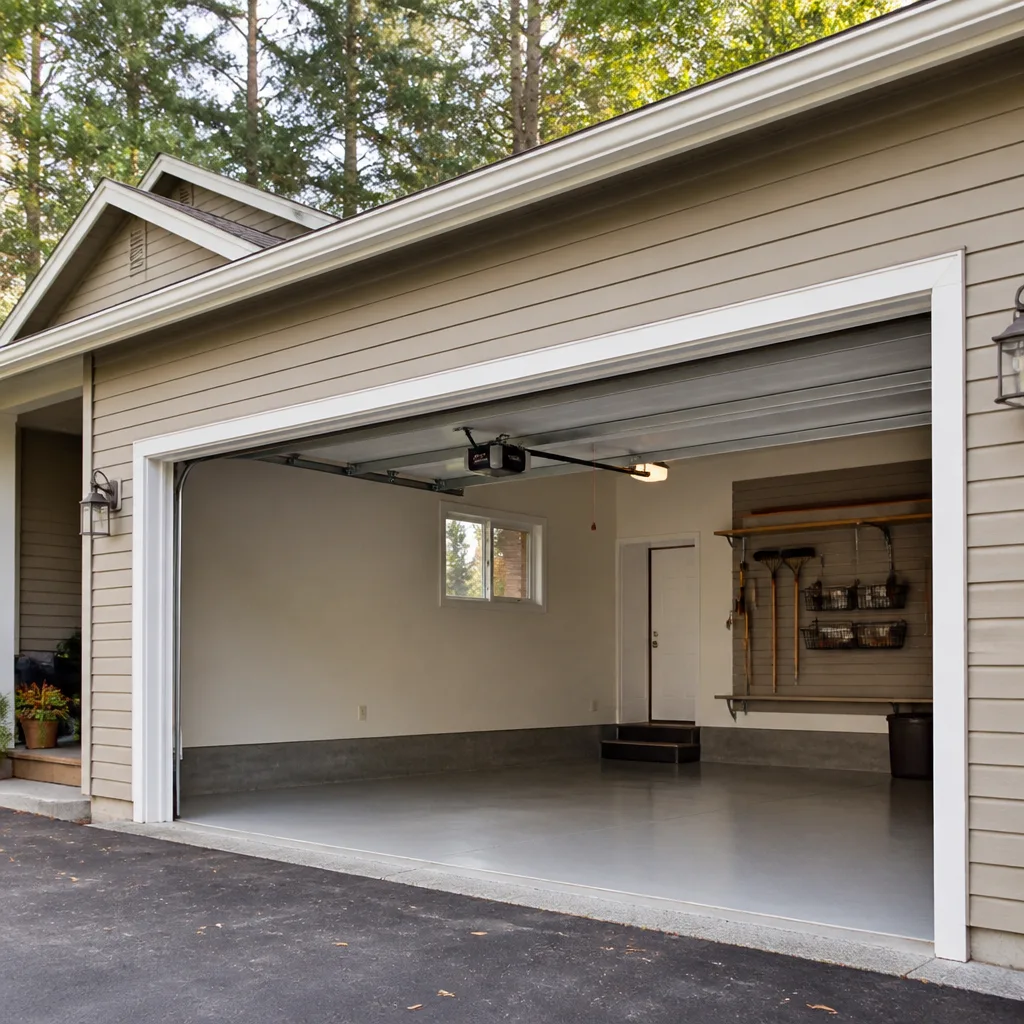 LiftMaster openers
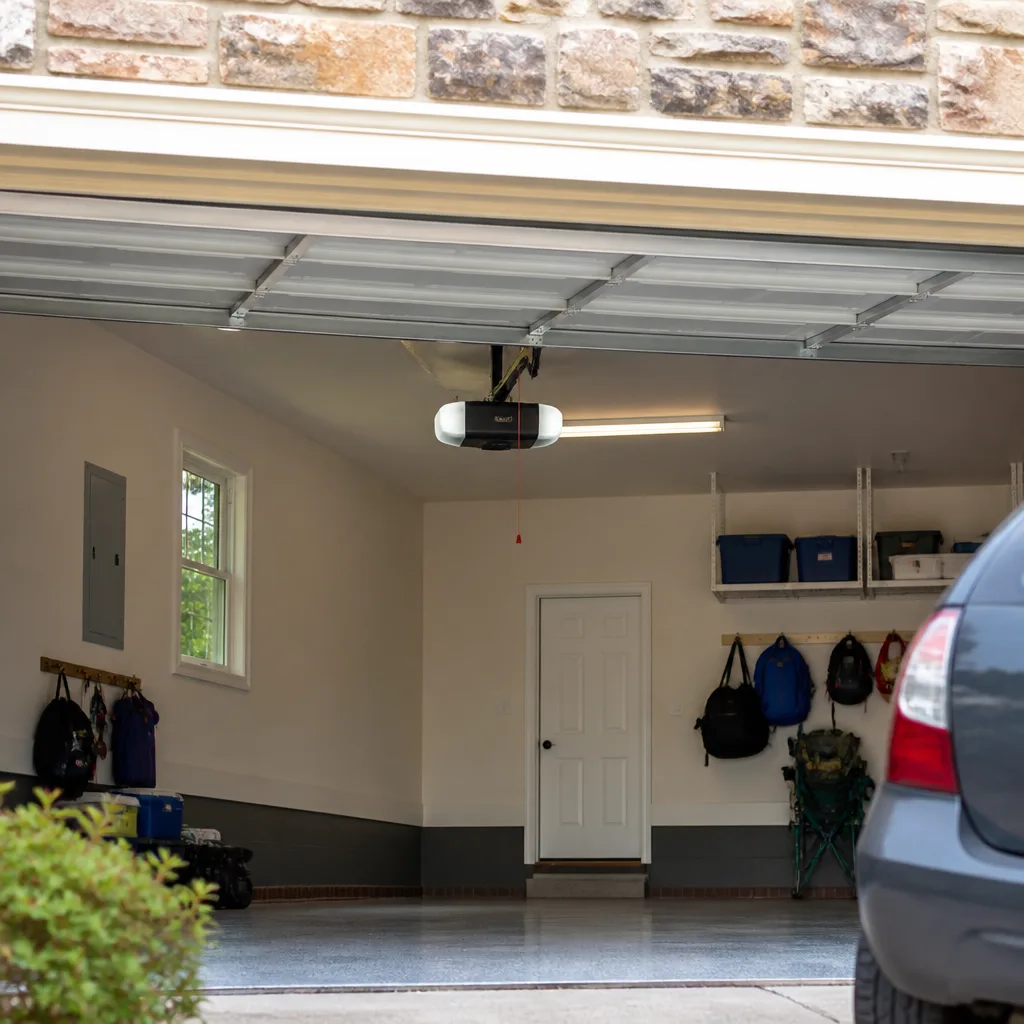 Chamberlain openers
Full 25-point door and opener safety check with every visit - springs, cables, rollers, tracks, and your LiftMaster or Chamberlain opener included
You get a price before we start. It does not change when the pro arrives.
Get your free estimateGarage Door Permits, Codes & Inspections in White Plains, NY: What You Need to Know
Most homeowners treat a garage door replacement like swapping out a faucet. It’s a fixture, it goes up and down, and nobody from the city shows up to inspect it. That assumption is where the trouble starts. A garage door is one of the largest moving assemblies attached to your house, it’s load-bearing in ways most people never think about, and in White Plains it sometimes falls under the same permitting process as a deck or a structural addition. Skip that step and the problem doesn’t surface during the install. It surfaces years later, at the worst possible moment: a title search, a home sale, or an insurance claim. This guide walks through when the City of White Plains Building Department wants a permit, which parts of the New York State code apply, what an inspector actually looks at, and how to avoid the paperwork trap that catches even careful homeowners.
Quick Answer
In White Plains, a full garage door replacement often requires a building permit, while a straight repair (springs, opener, cables, rollers, track) generally does not. The permit triggers on structural or component replacement, not on maintenance. Whether your specific job needs one depends on the scope and on how the City of White Plains Building Department classifies it, so the fastest answer comes from a quick call to them or from a contractor who files these regularly. Getting the permit and inspection right protects you at resale and when you file a claim.
Styles & brands we work with
- Raised-panel steel
- Carriage house
- Modern flush
- Full-view glass
- LiftMaster openers
- Chamberlain openers
Table of Contents
- Does a Garage Door Replacement Require a Permit in White Plains?
- Which New York State Code Sections Apply to Garage Doors?
- How Wind-Load Requirements Affect Door Panel Specs in Westchester
- What an Inspection Actually Checks
- How to Prepare So You Don’t Fail and Re-Inspect
- How Permit Status Affects Your Insurance Claim
- Permit-Worthy Work vs. Repair Work: A Quick Comparison
- Common Mistakes to Avoid
Does a Garage Door Replacement Require a Permit in White Plains?
Sometimes. The answer turns on what “replacement” means in your specific case, and that’s the part most homeowners get wrong. A complete tear-out and install of a new door assembly, particularly when the opening is modified, the header is touched, or the door is upsized, is the kind of work that typically requires a permit from the City of White Plains Building Department. A like-for-like swap of a single damaged panel, or a spring, cable, track, or opener replacement, usually does not.
The practical rule we use: if the work changes the structure of the opening or replaces the whole door system, treat it as permit-worthy until the city tells you otherwise. If it restores or repairs an existing component, it usually falls outside the permit scope.
Here’s how the split typically looks in White Plains:
- Usually requires a permit: full door replacement, changing door size, modifying the opening or header, installing a door on a new opening, converting a manual door to an automatic one in some cases, and any work that touches structural framing.
- Usually exempt: spring replacement, cable replacement, roller replacement, track straightening, opener motor replacement, sensor replacement, and panel-for-panel swaps that don’t change the opening.
Two caveats matter. First, the City of White Plains has its own local procedures layered on top of state code, so the classification can vary depending on the specific project. Second, a contractor who files permits in White Plains regularly will know the current interpretation and can tell you in one phone call whether your job crosses the line. When in doubt, call the Building Department directly. It’s a five-minute conversation that avoids a five-figure headache.
If you’re planning a replacement and want an honest read on whether your particular door needs paperwork, our garage door repair specialists can walk through the scope with you before anything is ordered.
Which New York State Code Sections Apply to Garage Doors?
Garage door work in White Plains falls under the New York State Uniform Fire Prevention and Building Code, which adopts the International Residential Code and International Building Code for one- and two-family homes and larger structures. The code doesn’t have a single “garage door” chapter, which is why this trips people up. The requirements scatter across structural, safety, and energy sections, and which ones apply depends on the door and the structure it’s mounted to.
The sections that come up most often in garage door work:
- Structural provisions for the opening and header. The wall above your garage door is a header that carries load from the roof and walls above. Any change to the opening size, or any framing repair around it, needs to meet the structural requirements in the code. This is the primary trigger for a permit.
- Safety glazing requirements. If your door has glass panels, particularly in the lower portion where someone could contact it, the code may require safety glazing (tempered or laminated glass). This affects Clopay, Amarr, and Wayne Dalton models with decorative windows.
- Automatic garage door opener safety features. Openers installed in New York need to meet the entrapment protection requirements for automatic garage door operators, which means an operable secondary entrapment protection device (typically the photo-eye sensor system) in addition to the pressure-reversal setting.
- Means of egress and separation. If the garage is attached to the home, the door between the garage and the living space has fire and separation requirements. A garage door replacement itself usually doesn’t touch this, but inspectors often check it while they’re there.
- Energy code. For conditioned spaces adjacent to the garage, or for doors that separate conditioned and unconditioned space, the energy code may set minimum thermal performance requirements. Standard insulated doors typically meet the base requirement, but verify the door’s published ratings before ordering.
The code section numbers and edition dates shift with each code cycle, and White Plains adopts updates on its own timeline. That’s why we tell homeowners to check with the City of White Plains Building Department for the currently adopted edition rather than relying on a code number from a website. The White Plains Garage Door Repair Pros team can tell you which door models meet the current requirements without you needing to parse the code book yourself.
How Wind-Load Requirements Affect Door Panel Specs in Westchester
Wind load is the requirement homeowners overlook most often, and it’s the one that changes your door order. Every garage door has a published design pressure rating that tells you how much wind pressure it can withstand without structural failure. When a permit is pulled, the door you install needs to match or exceed the wind-load requirement for your site, and that requirement depends on where the house sits and how exposed the opening is.
Westchester County doesn’t sit on the coast, so the wind-load story here is different from what you’d read in a Florida or coastal New Jersey guide. It’s about exposure category and the surrounding terrain, not salt air or marine weather. A garage door facing an open field, a hilltop, or a long unobstructed approach can see higher design pressures than the same door on a sheltered street in a dense White Plains neighborhood. Tree cover, neighboring structures, and elevation all factor in.
What this means practically:
- The door you order must have a published wind-load rating equal to or greater than the requirement for your specific location. Your contractor or the door manufacturer’s engineering department can confirm it.
- Reinforcement options exist. Many manufacturers offer wind-load reinforcement struts and heavier-gauge track for higher-pressure sites. If your site needs it and the door you want doesn’t meet the requirement as stocked, you either upgrade the door or choose a different model.
- The track and hardware matter as much as the door. A door rated for a given pressure with standard track may not meet the same rating with a lighter track system, so the whole assembly needs to be matched.
- The permit application usually requires the design pressure to be documented. That’s the door’s published rating submitted with the plan, which is why ordering first and permitting second creates problems.
In our experience, the most common reason a White Plains garage door replacement gets stalled at the permit stage is that the homeowner ordered a door before confirming the wind-load requirement, and the door they picked doesn’t have the rating their site needs. Measure first, permit second, order third. That’s the sequence that works.
Insulated door lines from Clopay, Amarr, and Wayne Dalton have published wind-load ratings for their standard models, but you need to match the specific model and reinforcement to your site. It’s not a one-size answer. Our garage door repair and replacement specialists can help you read the spec sheets and confirm the match before you commit.
What an Inspection Actually Checks
If a permit is pulled for your garage door work, an inspection follows. The inspector isn’t there to grade aesthetics or tell you your paint color is wrong. They’re confirming that the installed system matches the permitted scope, meets the code requirements for structure, safety, and wind resistance, and is installed per the manufacturer’s instructions. Here’s what typically gets checked:
- Structural attachment and header condition. The door’s mounting surface, the header above the opening, and the framing on either side get checked for soundness. If the install required new framing, the inspector wants to see it done correctly.
- Door rating documentation. The inspector may ask for the door’s published wind-load rating and confirm it matches the permitted design pressure. The manufacturer’s label on the door and the spec sheet submitted with the permit are the usual evidence.
- Track, hinges, and hardware. Compliance with the door manufacturer’s installation spec, including track gauge and anchoring, gets a look. Mismatched or undersized hardware is a common failure point.
- Opener entrapment protection. Photo-eye sensors must be in place, functional, and mounted at the right height (typically within six inches of the floor). The pressure-reversal setting gets tested. If the door doesn’t reverse on contact with an obstruction, that’s a fail.
- Safety glazing. If the door has glass and the code requires safety glazing for the panel’s location, the inspector checks the glass marking.
- Clearances and separation. On attached garages, the door between garage and home gets a look for self-closing and fire separation. The inspector may also check that the door doesn’t obstruct required egress paths.
The inspector typically wants to see the work at its finished state, not during construction, unless a mid-install inspection is specified on the permit. Photos, the manufacturer spec sheets, and the permit card should be on hand. In our experience, garage door inspections in White Plains are straightforward when the work matches the permit and the door’s documentation is ready. They get complicated when something was changed mid-stream without a revision to the permit.
How to Prepare So You Don’t Fail and Re-Inspect
A failed inspection means rescheduling, which means more time before the job is officially done. In White Plains, that can add days or longer to a project that was already weeks in the planning. The good news: almost every failure is preventable with a little preparation before you call the inspector. Here’s what to do:
- Confirm the installed door matches the permitted door. Model number, size, wind-load rating, glass option. If the door that went in is different from the door on the permit, the permit needs to be revised before inspection. This is the single biggest cause of failures.
- Have the door’s spec sheet and label accessible. The manufacturer’s published wind-load rating, the door’s serial or model label, and the installation manual all belong in a folder the inspector can look at. Don’t make them dig.
- Test the opener and sensors the day before. Photo-eyes need to be installed within six inches of the floor, aligned, and unobstructed. Test them by waving an object through the beam and confirming the door reverses. Test the pressure-reversal by placing a small board flat on the floor and lowering the door onto it. If either test fails, fix it before the inspector arrives.
- Clear the work area. The inspector needs to see the full track, the header, and the mounting points. Boxes, tools, and stored items in the garage should be out of the way.
- Make sure the permit card is posted. White Plains posts the permit card at the job site, usually in a window or on a visible interior wall. Confirm it’s there and legible.
- Have your contractor’s paperwork ready. If the permit names a contractor, that contractor should be the one present for the inspection, or their self-certification documents should be on hand.
One more thing to note: if the inspector asks for a correction, don’t schedule the re-inspection yourself unless you know exactly what needs to change. Have the contractor correct the item, document it (a photo of the corrected detail is often enough), and re-inspect. The clearance process is simpler when the contractor handles it.
How Permit Status Affects Your Insurance Claim
Here’s where the paperwork pays off. If your garage door is damaged in a storm, a vehicle strike, or another covered event, and the original installation never had a permit, the insurance conversation gets harder. That doesn’t automatically mean your claim gets denied, but it opens questions you don’t want to answer during a stressful time. The insurer may ask whether the door was code-compliant at the time of installation, whether the permit was pulled, whether any non-permitted work contributed to the damage, and whether the door’s installed condition matches what was originally permitted.
Permit status matters in three specific ways:
- Compliance verification. A permit and final inspection are documented evidence that the door was installed to code. Without them, proving compliance falls on you, and that’s often impractical years after the fact.
- Claim scope. If the insurer determines the door was installed in a way that doesn’t meet code, they may limit what they cover for the repair, or require a code-compliant replacement to be included in the scope. In some cases, the difference between covering a repair and covering a full replacement rests on whether the original install was permitted.
- Home sale and title. Even if no claim is ever filed, a permit pulled but never closed out, or a door replacement done without a permit, can surface during a title search. Buyers’ attorneys and lenders ask for permit records, and unpermitted structural or major component work in White Plains can stall or kill a sale. It has happened to sellers in Westchester County who assumed a door swap was like changing a faucet.
The fix is simple: if you’re replacing a door, pull the permit if it’s required. If you’re repairing, you generally don’t need one, but confirm with the city. And if you ever sell a home where a garage door was replaced, dig up the permit and the final inspection card. Keep them with your closing documents.
Permit-Worthy Work vs. Repair Work: A Quick Comparison
This is the table we wish every White Plains homeowner had before starting a garage door project. It’s a general guide, not a legal opinion, and the City of White Plains Building Department makes the final call on any specific job. Use it to know which questions to ask.
- Full garage door replacement: often requires a permit. The permit covers the door assembly, the structural attachment, and the wind-load verification.
- Door upsizing or opening modification: requires a permit in almost every case. The header and framing are structural, and the changed opening has to be engineered.
- New garage door on a previously un-doored opening: requires a permit. The opening itself, the header, and the wind-load requirement all come into play.
- Manual-to-automatic conversion: may require a permit, depending on how the opener is mounted and whether the opening needs modification. Check with the city. The opener itself must meet entrapment protection requirements regardless.
- Panel-for-panel replacement (same size, same model): usually does not require a permit, because the door assembly and structural attachment are unchanged. Confirm with the Building Department if you’re not sure.
- Spring replacement: does not require a permit. It’s a mechanical repair, not a structural change.
- Cable replacement, track straightening, roller replacement, hinge replacement: does not require a permit. These are consumable components.
- Opener motor replacement: does not require a permit for the swap itself, though the opener needs to comply with entrapment protection requirements.
- Sensor replacement or adjustment: does not require a permit. Do it anyway, because a failed sensor is a real safety issue.
- Weather seal, trim, and cosmetic work: does not require a permit.
For spring and cable work, treat it as a repair and call a specialist. Those components are under high tension, and the risk of serious injury is real. Our garage door spring repair team handles that side of the job and leaves the paperwork conversation to you and the city. For opener issues, our garage door opener repair specialists can confirm whether the entrapment protection is intact after a motor swap.
Common Mistakes to Avoid
- Assuming a door swap is like changing a faucet. It isn’t. A garage door replacement touches structural framing, wind-load requirements, and safety systems. Treat it as scope that needs a permit decision, not a maintenance item you can skip.
- Ordering the door before confirming the wind-load requirement. The door you want needs to have a published design pressure rating that matches your site. If you order first and permit second, you may end up with a door you can’t install, which is a return, a re-order, and weeks of delay.
- Pulling a permit but never closing it out. A permit that’s pulled and never gets a final inspection is a flag at resale, sometimes a bigger flag than no permit at all. The job isn’t done until the final inspection card is signed.
- Replacing a door without a permit and hoping nobody asks. White Plains title searches and insurance claims bring permit records to the surface. The exposure is real, and it’s not worth the savings.
- Ignoring the opener entrapment protection on a permit job. The inspector will test it, and a door that doesn’t reverse on obstruction fails. If you’re replacing the door, budget for a fresh opener check even if the motor is staying.
- Skipping the manufacturer’s spec sheet. The inspector needs the published wind-load rating. If you can’t produce it, the inspection stalls. Keep the spec sheet with the permit documents from day one.
- Trying to handle spring or cable work as DIY to save a fee. Those parts are under high tension, and the risk of serious injury is real. There’s no permit fix for a hand injury. Call a specialist.
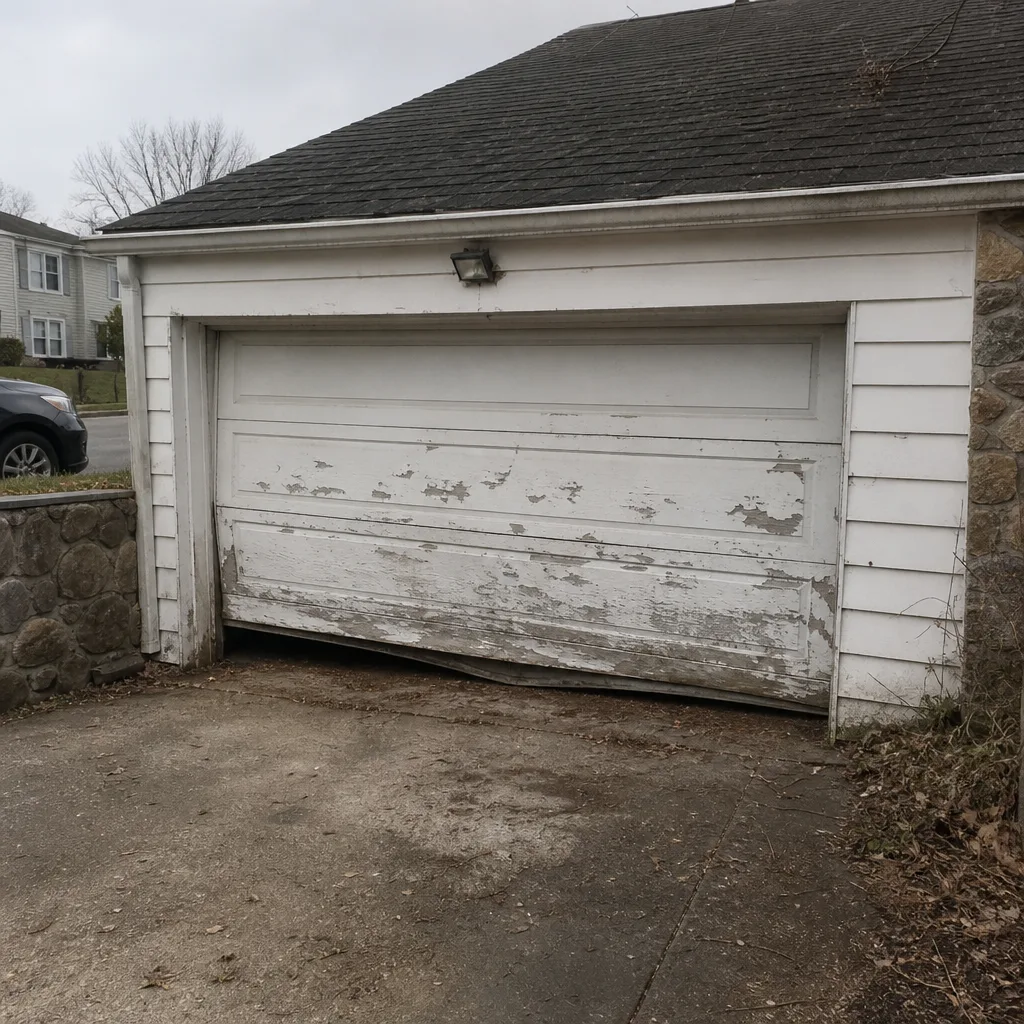
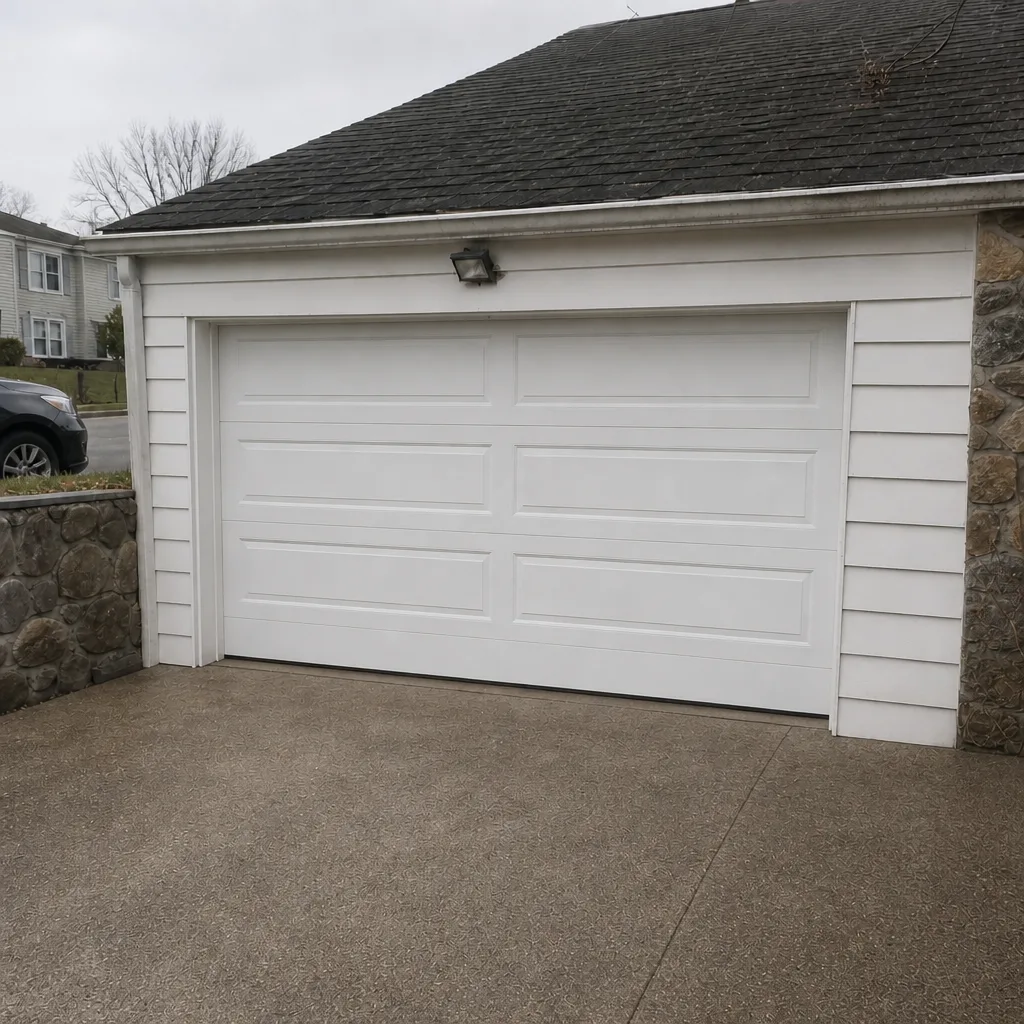
See the difference
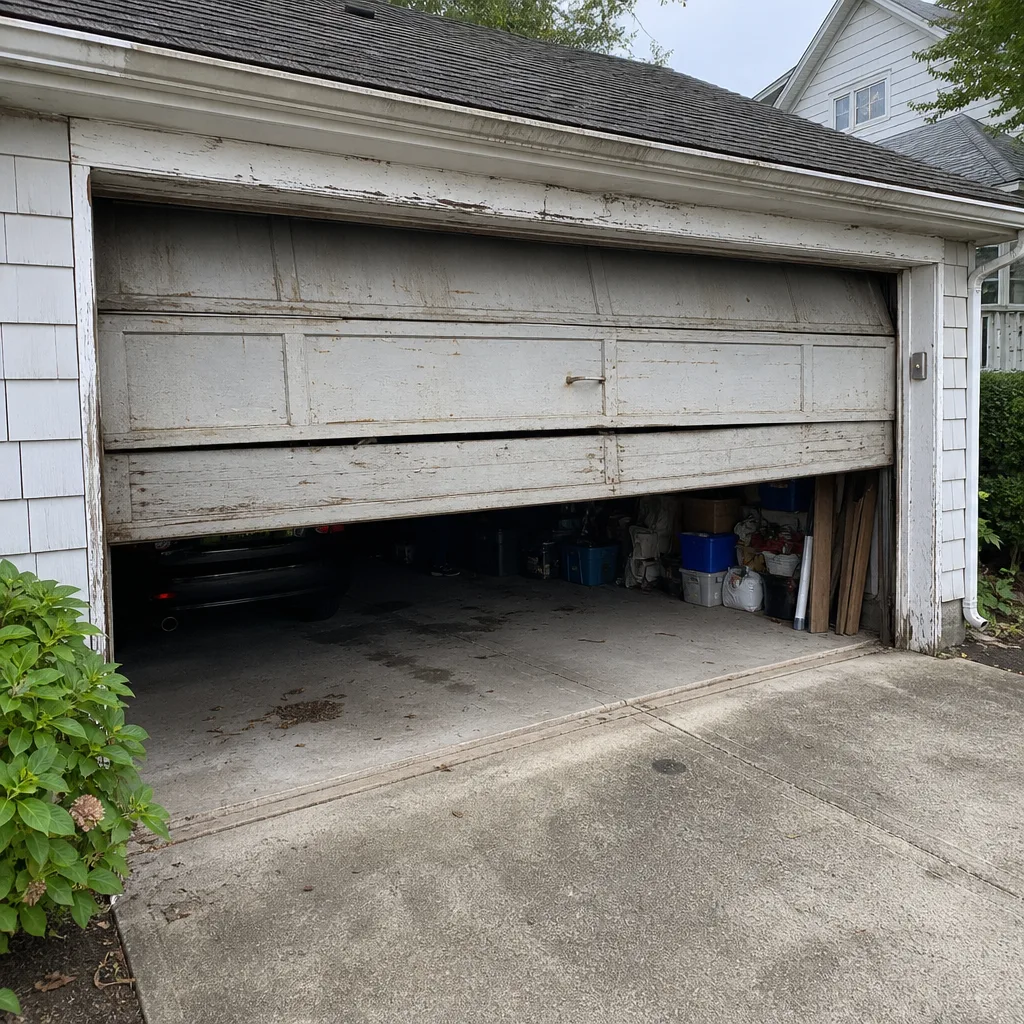 Before
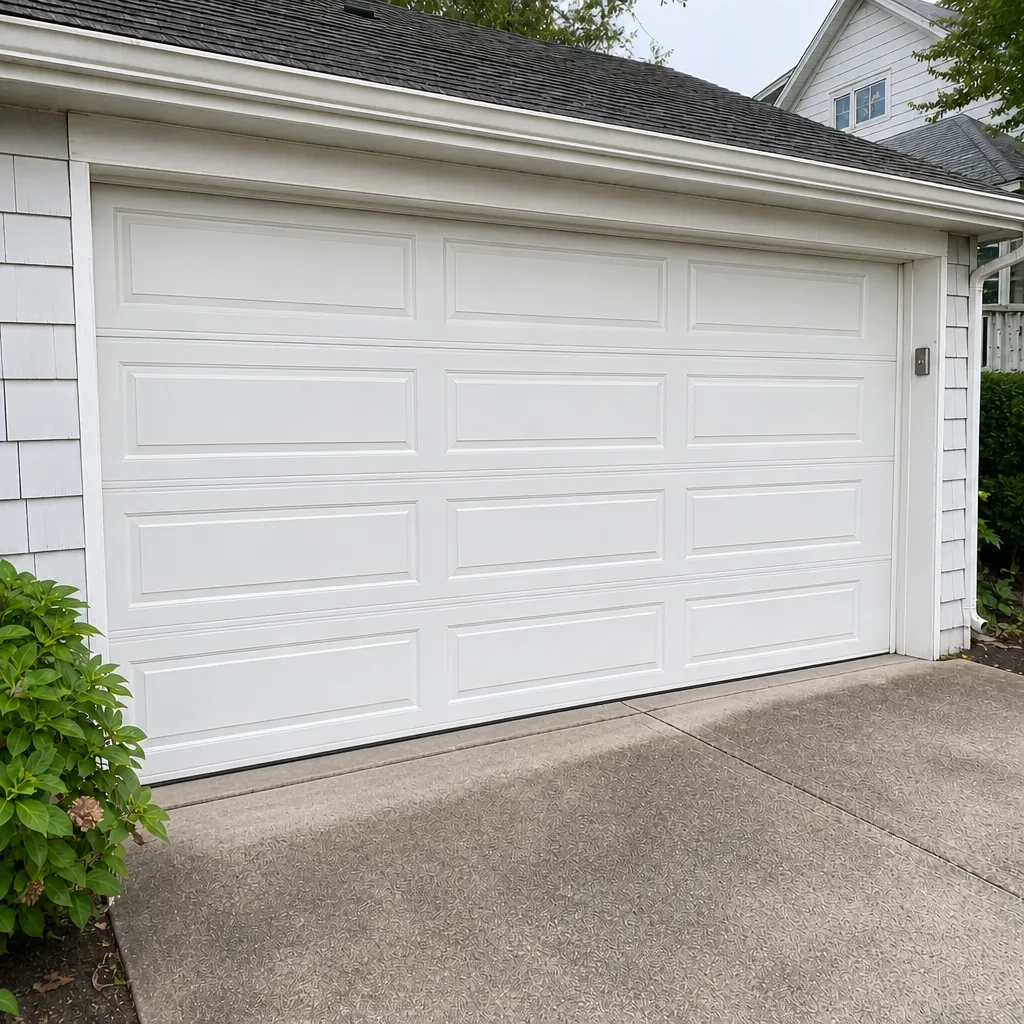 After
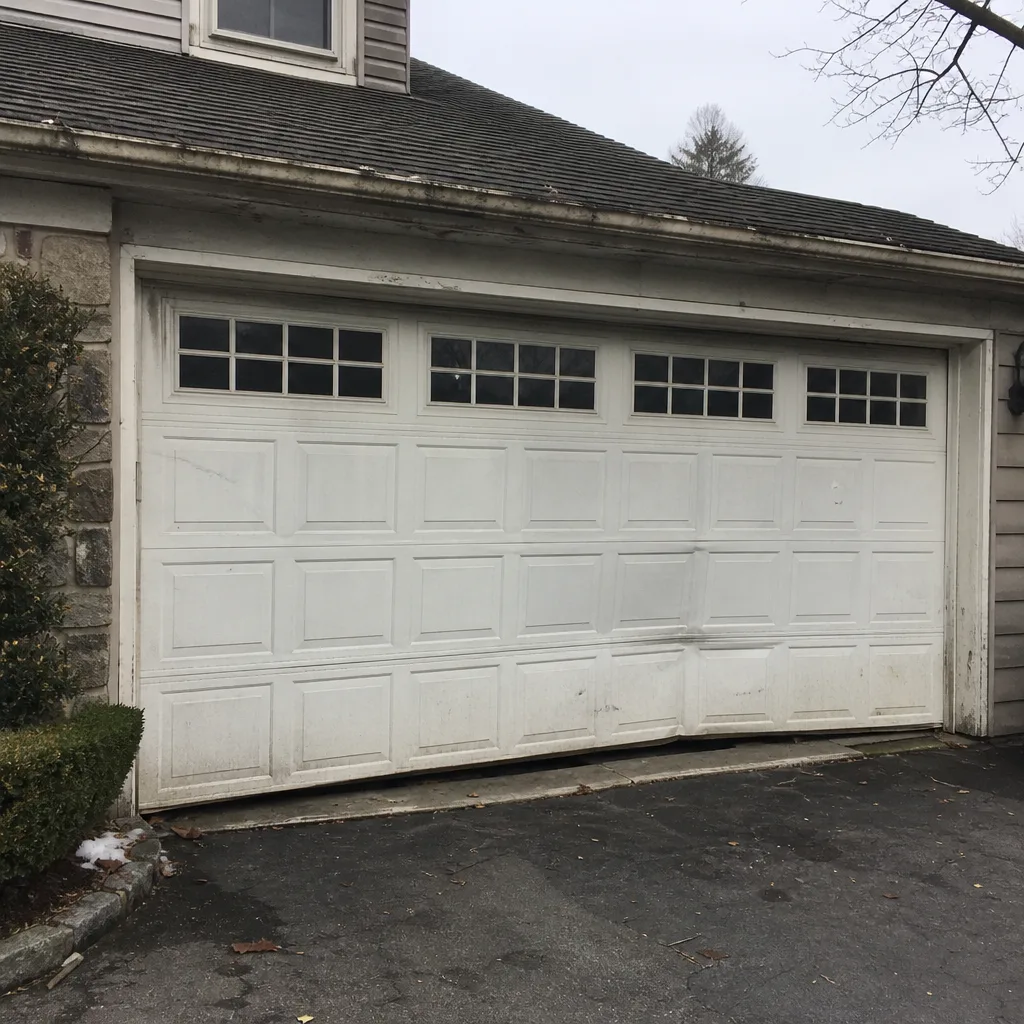 Before
 After
 Before
 After
When to Call a Professional
Call a garage door specialist when the work involves a spring, a cable, a track that’s come loose from the wall, an opener that won’t reverse on obstruction, or a door that’s dropped on one side. Those are the situations where DIY goes wrong most often, and where the training matters most. Call us when you’re not sure whether your planned work needs a permit and you want a straight answer before you place an order.
Call when you’re planning a full replacement and want the door measured and the paperwork checked before anything is ordered. Call if you’re a seller and you need to know whether a past garage door replacement has the permit trail a buyer’s attorney will ask for. Call when a door fails and you can’t secure the house. The technicians in our network are familiar with the brands already in White Plains garages, from Genie openers to Clopay and Amarr doors, and they work on those systems all day. Our technicians have up to 9 years of experience. White Plains Garage Door Repair Pros offers free estimates in White Plains. Call (844) 685-3329. We answer 24/7. Fast dispatch from 7am to 7pm, Sunday through Friday. The price is quoted and agreed before any work starts, and the written estimate sets the final number.
Frequently Asked Questions
Often yes, especially for a full replacement or any work that touches the opening or header. Repairs to springs, cables, openers, and panels generally don’t. Confirm with the City of White Plains Building Department for your specific project, because local procedure decides the classification. Call (844) 685-3329 for a free estimate and an honest read on your scope – the price is quoted and agreed before any work starts.
Nothing at first, and that’s the trap. The problem surfaces later, usually during a home sale title search or an insurance claim, when the missing permit record becomes a question you have to answer years after the fact. It can stall a sale or complicate a claim. Pull the permit if it’s required – call (844) 685-3329 if you want help confirming the scope first.
It checks the structural attachment, the door’s published wind-load rating against the permitted design pressure, the track and hardware installation, the opener’s entrapment protection (photo-eyes and pressure-reversal), and safety glazing if the door has glass. Have the spec sheet, the door’s label, and the permit card ready. Call (844) 685-3329 to book an estimate before you order anything.
Permit fees come from the City of White Plains Building Department and vary with the project’s valuation and scope. We don’t quote the city’s fee, but we can tell you what the door installation itself will cost with a written estimate that lays out every line. Call (844) 685-3329 for a free estimate – the written price is the final price for our side of the work.
Usually yes, if the replacement is panel-for-panel with the same size and model, because the door assembly and attachment are unchanged. Any change to the opening size, model, or wind-load class can flip the job into permit-worthy territory. When in doubt, call the City of White Plains Building Department and describe the exact panel. Call (844) 685-3329 if you want us to measure and confirm the match before you order.
Yes, for repairs. Same-day service is available for spring, cable, opener, and track issues, and emergency garage door service is available when a door won’t close and the house can’t be secured. We answer 24/7. Fast dispatch from 7am to 7pm, Sunday through Friday. Call (844) 685-3329. A call outside dispatch hours is booked into the next opening, Sunday through Friday, 7am to 7pm.
No. The price is quoted and agreed before any work starts, and the written estimate sets the final number. If we find something during the job that changes the scope, we stop and talk to you before doing the additional work. Call (844) 685-3329 for a free estimate.
The local pros we connect you with are licensed and insured as New York State requires, and they carry the training to work safely on springs, cables, and openers. We work on the brands already in your garage, including Genie, Clopay, Amarr, and Wayne Dalton systems. Call (844) 685-3329 for a free estimate.
The Bottom Line
A garage door replacement in White Plains is not always just a door. Sometimes it’s a permitted structural component with a wind-load requirement, a safety inspection, and a paper trail that follows the house for years. Repairs usually don’t need a permit. Replacements often do. The three-step sequence that avoids trouble: measure and confirm the wind-load requirement first, pull the permit if the scope crosses the line, and close the permit out with a final inspection before the job is considered done. If you’re planning a project in White Plains, get the permit conversation right at the start. It’s the cheapest part of the project and the one that protects you the longest.
White Plains Garage Door Repair Pros offers free estimates across White Plains. Call (844) 685-3329. We answer 24/7. Fast dispatch from 7am to 7pm, Sunday through Friday. Our technicians have up to 9 years of experience, we work on the brand already in your garage, and garage doors are all we do.
Written by the team at White Plains Garage Door Repair Pros.